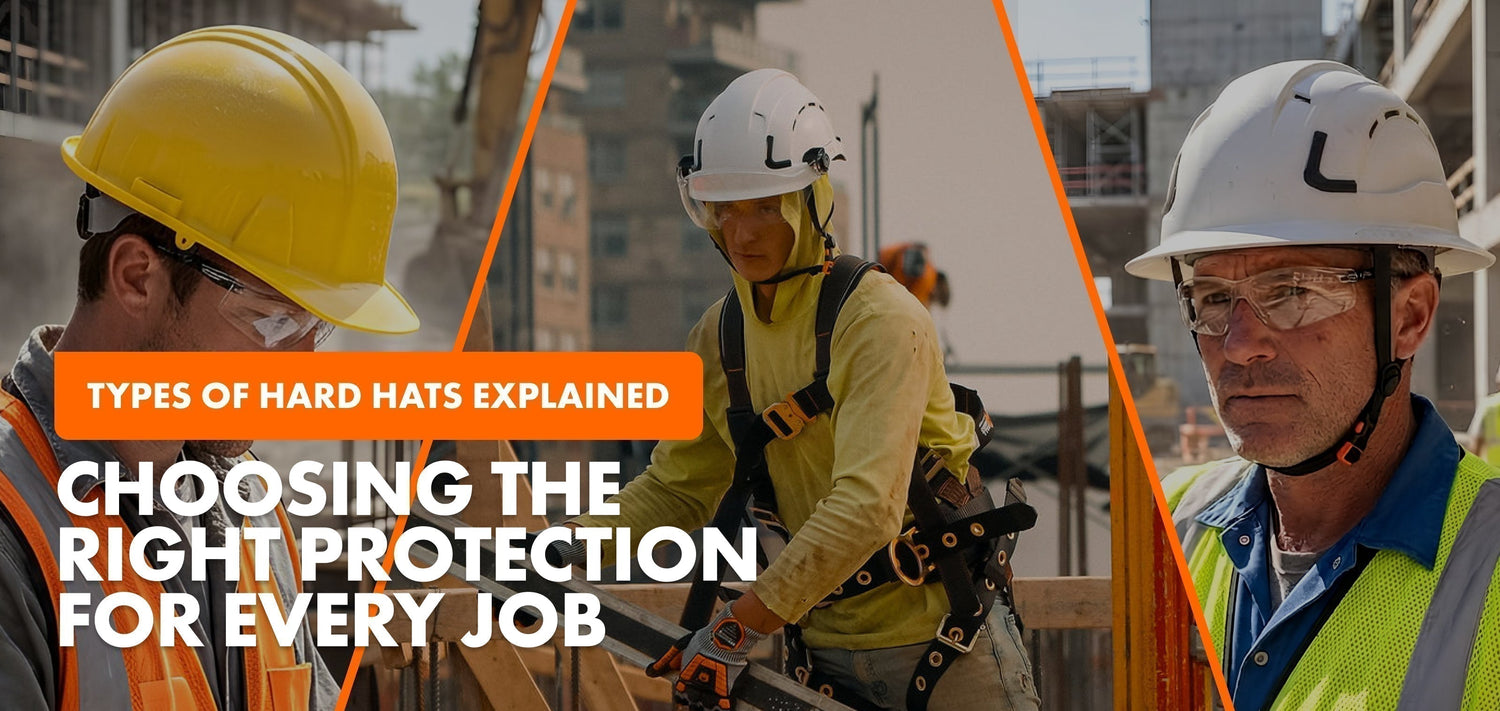
When it comes to jobsite safety, not all head protection is created equal. From full brim designs to modern safety helmets, each option is built for different risk levels and work environments but in many cases, the choice also comes down to the user's preference. OSHA focuses more on adequate protection than enforcing one specific style.
Understanding the differences between these hard hat styles is essential and not just for compliance, but for ensuring your crew is properly protected on the job.
In this guide, we’ll break down the most common types of hard hats, when to use them, and how to choose the right option for your crew and worksite.
WHAT ARE BUMP CAPS?
Bump caps are designed for low-risk environments where workers need protection from minor bumps and scrapes but NOT from falling objects. Unlike traditional hard hats, bump caps do not meet ANSI Z89.1 standards and should not be used on active construction sites for impact protection but they do meet ANSI/ISEA 100-2024 standards.
They are typically worn in environments like warehouses, maintenance areas, or manufacturing facilities where head injuries are more likely to come from stationary objects, such as low ceilings, pipes, or equipment.
Bump caps are often misunderstood and mistakenly used in environments where they don’t belong. It’s important to reinforce that they are not a substitute for hard hats and should never be used where there is a risk of falling or flying objects. Their internal structure typically includes a lightweight shell or insert designed to absorb minor contact but not high-impact force.
This style of hard hat is more popular because they feel more like a standard baseball cap, which can improve wearability in low-risk environments. This makes them a practical option for teams that prioritize comfort but still need a basic level of head protection. However, employers should clearly define where bump caps are acceptable to avoid misuse on higher-risk jobsites.

WHAT IS A FULL BRIM?
Full brim hard hats feature a 360-degree brim that extends around the entire helmet, offering additional coverage beyond standard cap-style designs. This added coverage provides protection not just from falling objects, but also from environmental elements like sun exposure, rain and debris.
They are especially popular in outdoor construction environments where workers are exposed to the elements for extended periods. The brim helps reduce glare and shields sensitive areas like the neck and ears improving both comfort and visibility.
Full brim hard hats are often favored by experienced crews working long hours outdoors because they offer a noticeable improvement in day-to-day comfort. The extended brim helps reduce direct exposure to sunlight, which can lower heat buildup and reduce strain caused by glare factors that can indirectly impact safety and productivity.
In addition to environmental protection, full brim designs can help deflect debris away from the face and neck. While they don’t replace face protection, they provide an extra layer of coverage in dusty or debris-heavy environments. For companies operating in infrastructure, utility work, or open construction zones, full brim hard hats are often seen as a practical upgrade over standard cap-style designs.

WHAT IS A SAFETY HELMET?
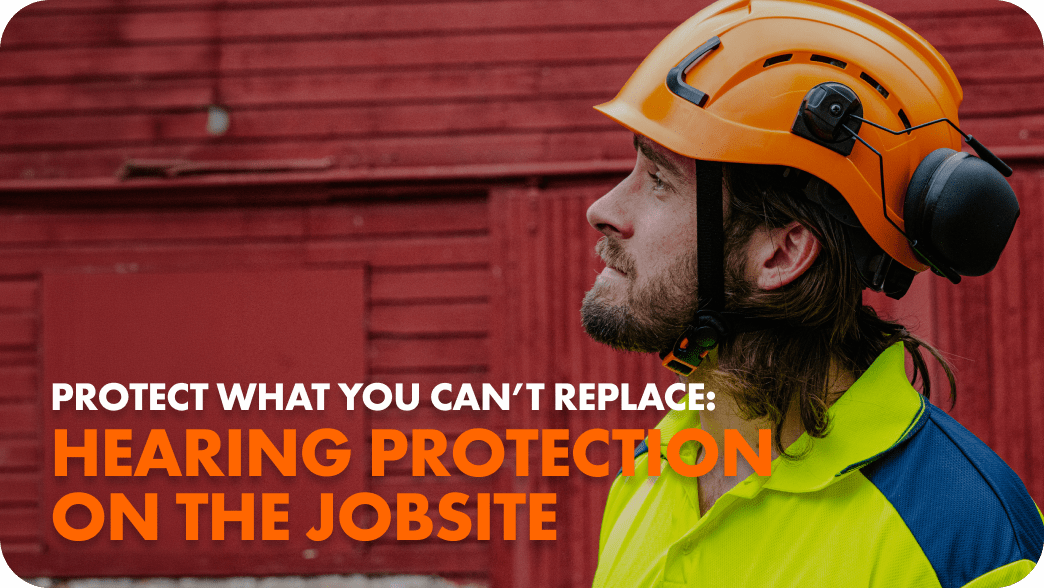
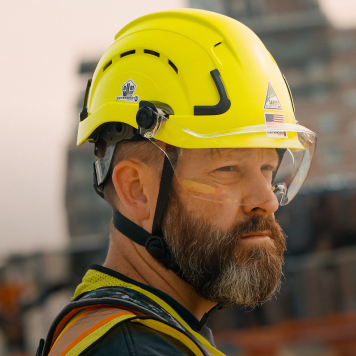
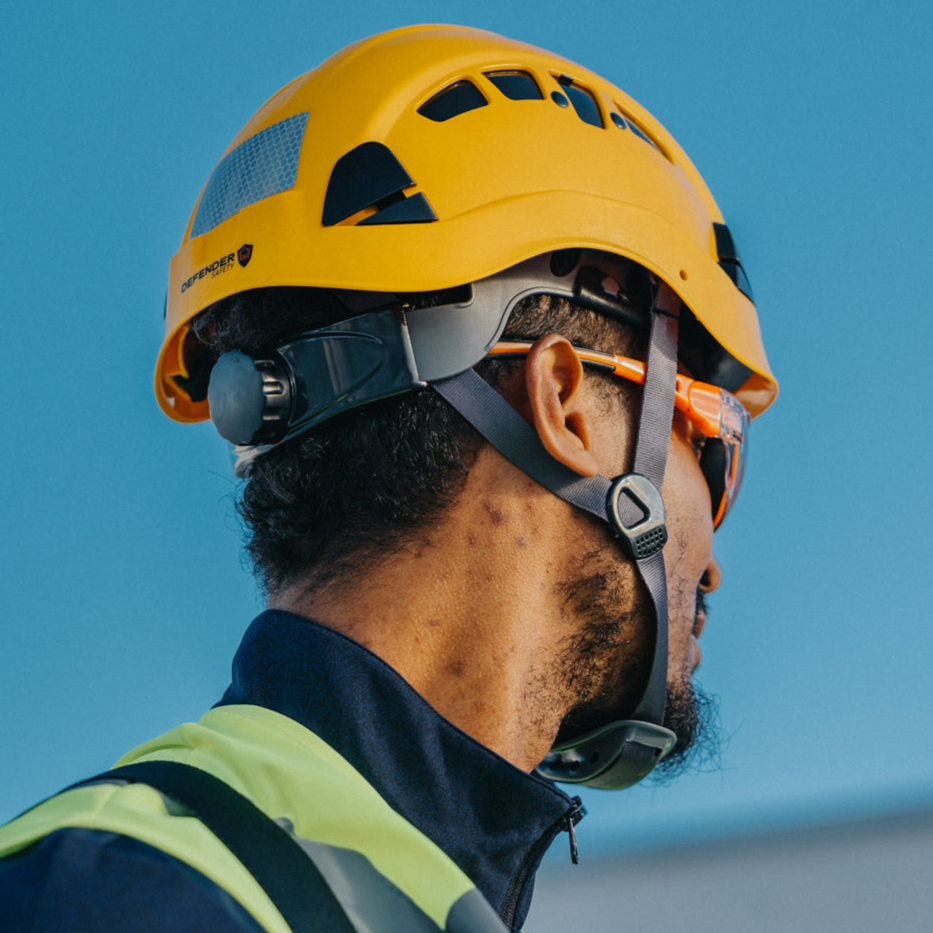
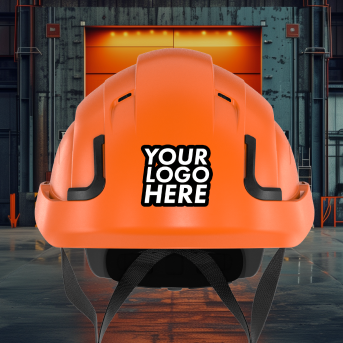
Safety helmets represent the next generation of head protection, designed to address risks that traditional hard hats may not fully cover. Unlike standard hard hats, many safety helmets are built to provide both top and side impact protection (Type II).
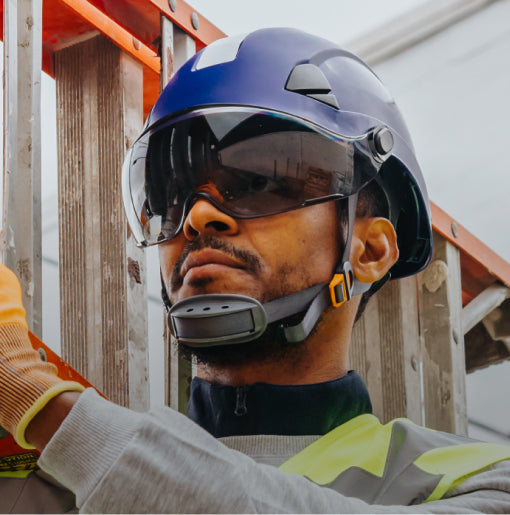
They also feature a more secure fit, often including chin straps that keep the helmet in place during movement, climbing, or sudden impacts. This makes them especially effective in dynamic work environments where stability and retention are critical.
One of the biggest advantages of safety helmets is how well they adapt to modern jobsites. At jobsites you are exposed to more than just overhead hazards and the need for multi-directional protection becomes more critical. Safety helmets are specifically engineered to address these risks, making them an advanced solution for companies focused on putting their crew first.
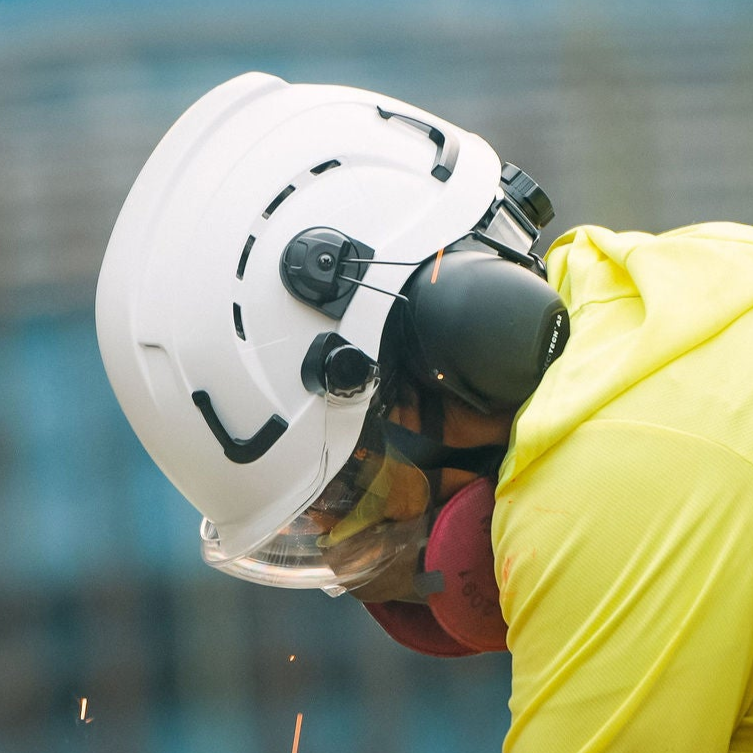
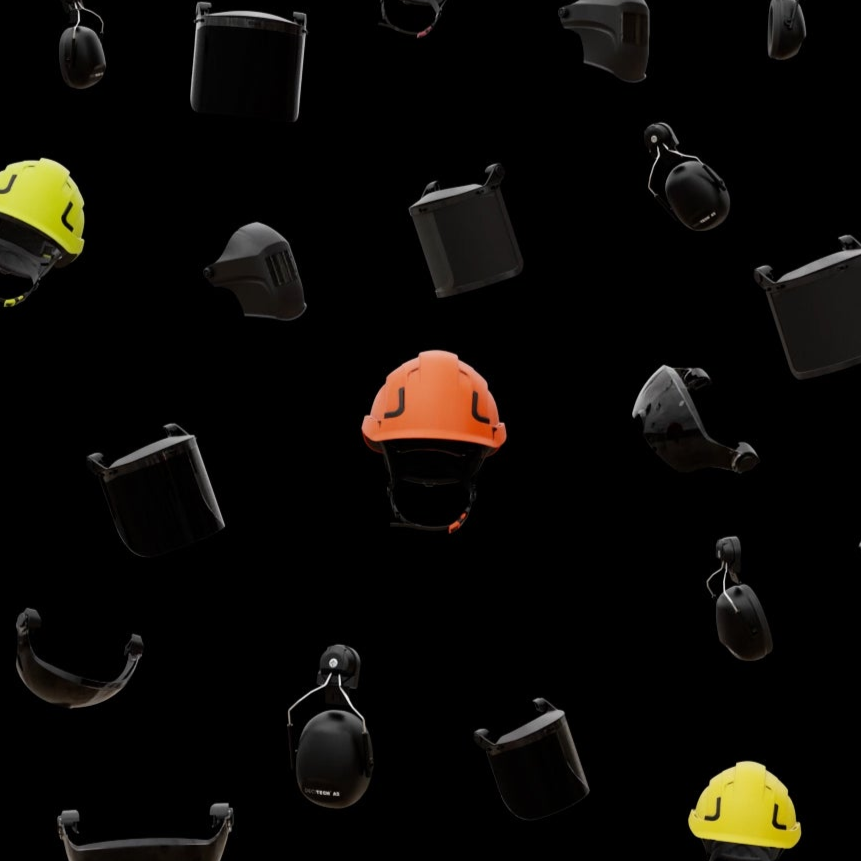
They also tend to offer better integration with other PPE. Many safety helmets are designed with built-in mounting systems for accessories like face shields, hearing protection, and lighting. This creates a more streamlined setup for workers, reducing the need for separate gear and helping ensure that protective equipment is used consistently and correctly throughout the workday.

WHICH HARD HAT STLYE IS RIGHT FOR YOU?
Choosing the right hard hat style comes down to understanding your jobsite risks and work conditions. There’s no one-size-fits-all solution, each option serves a different purpose.

The conversation around hard hat styles is shifting. While traditional designs like full brim hard hats still play an important role, more companies are adopting safety helmets to better address the realities of today’s jobsites.
At the end of the day it’s about selecting gear that your crew will actually wear, trust, and rely on when it matters most.