
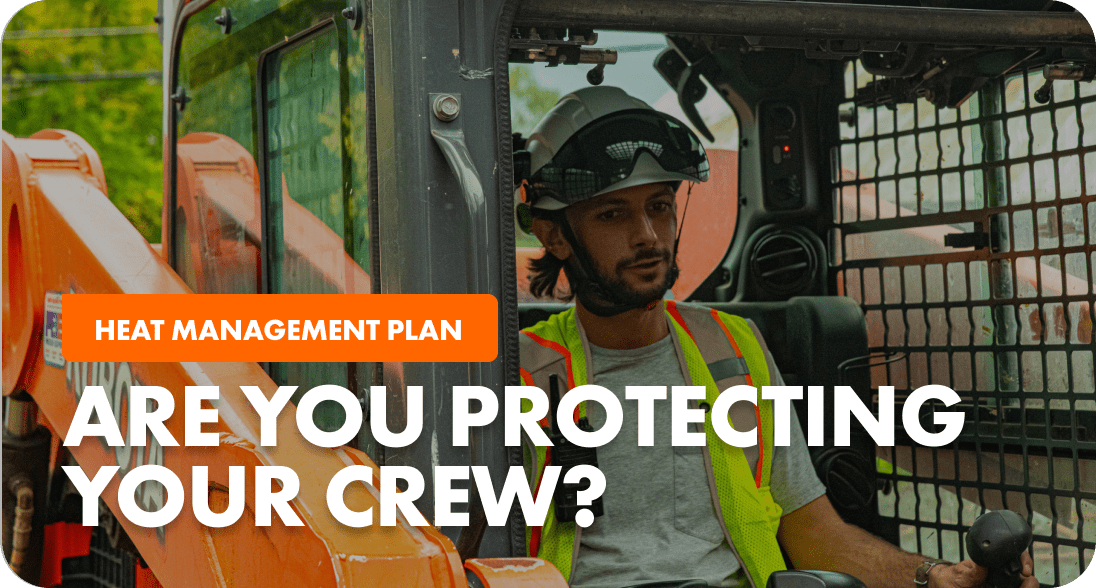
Heat Management Plan: Are You Protecting Your Crew?
BEYOND THE TEMPERATURE: WHAT THE DATA REALLY SHOWS On most jobsites, heat is just part of the job and is shrugged off and worked through but that "part of the job" is quietly becoming one of con...
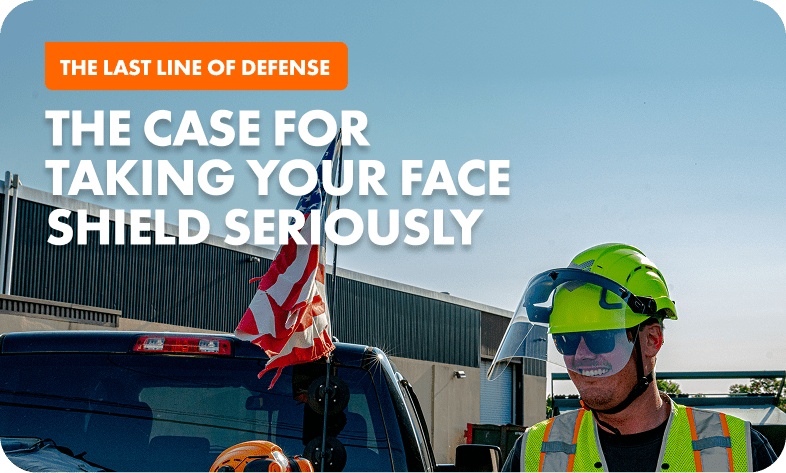
The Last Line of Defense: The Case For Taking Your Face Shield Seriously
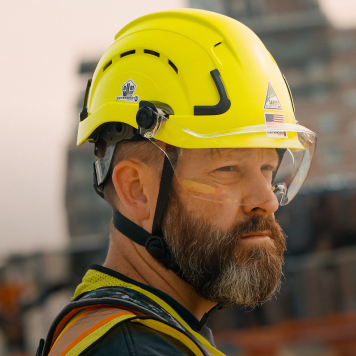
THE PROBLEM: WHY FACE PROTECTION CAN'T BE OPTIONAL Every day on job sites across America, workers are exposed to hazards that can permanently change their lives in seconds. Flying debris, chemical...
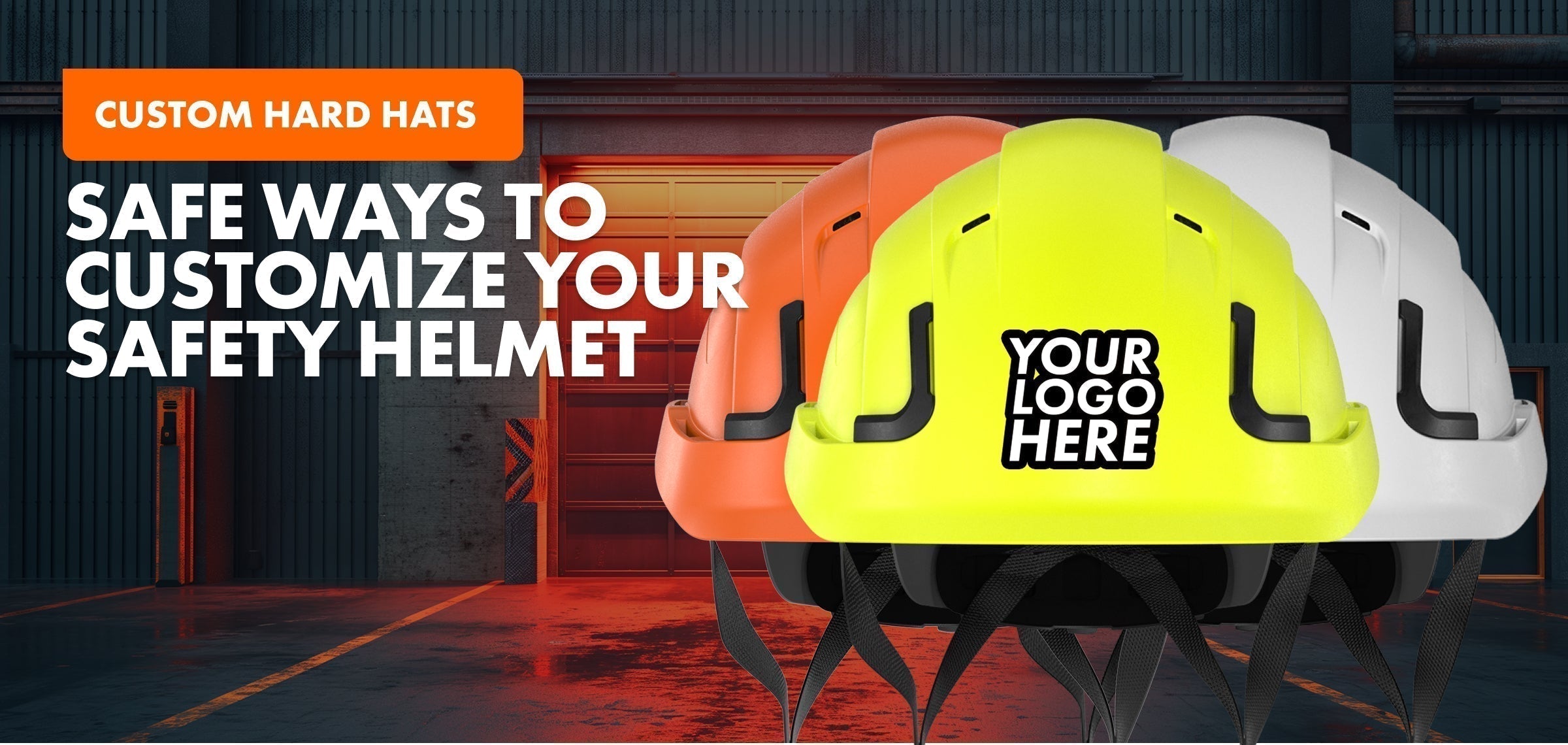
Custom Hard Hats: Safe Ways to Customize Your Safety Helmet
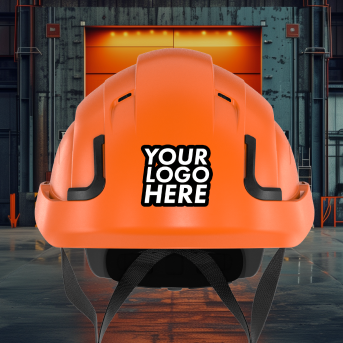
Customizing your hard hat is a great way to improve team identity, increase visibility, and create a more professional jobsite. From custom safety helmets with logos to stickers and accessories, mo...
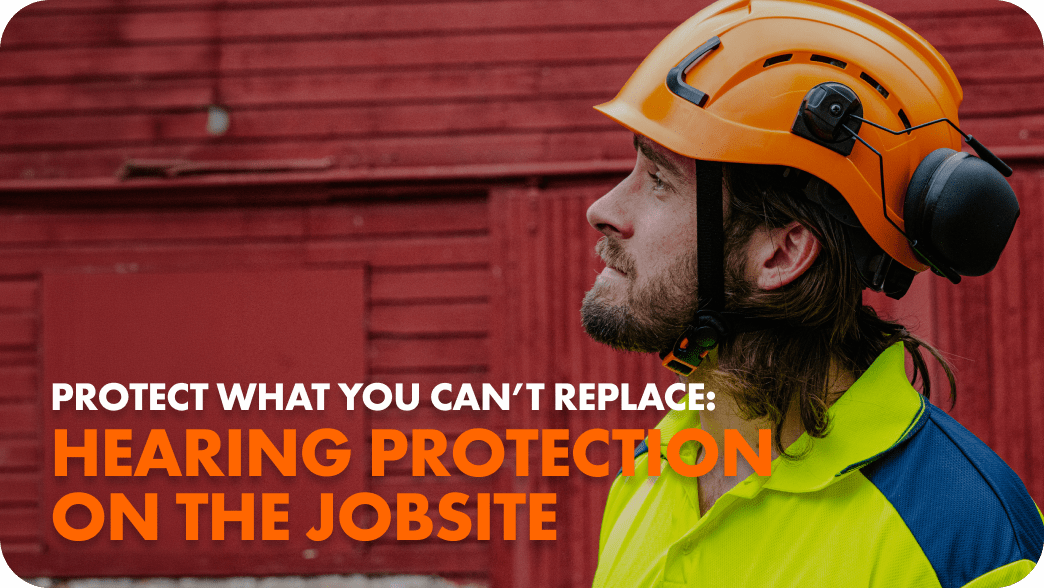
Protect What You Can't Replace: Hearing Protection On The Jobsite
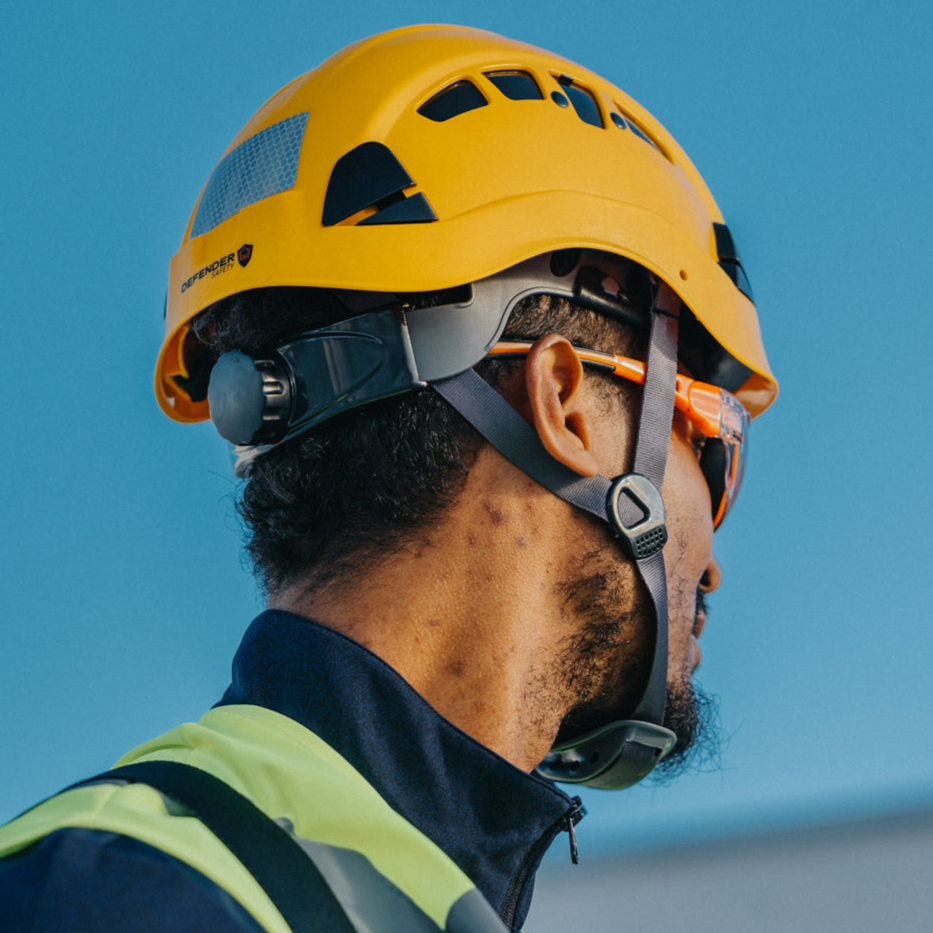
THE GROWING PROBLEM OF HEARING LOSS ON THE JOBSITE Construction workers face some of the highest occupational noise exposure levels across any industry. Repeated exposure to grinders, saws, heavy ...
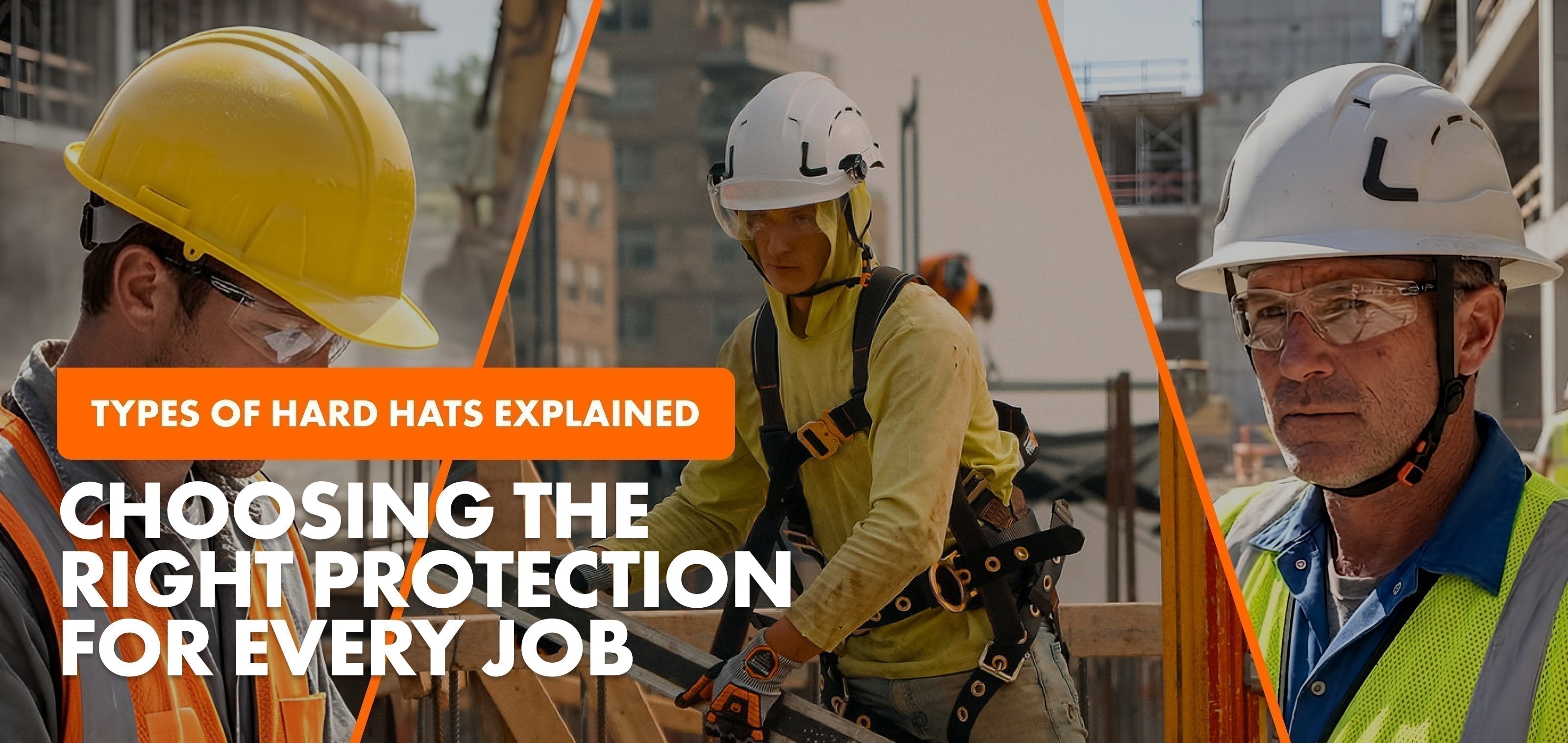
Types of Hard Hats Explained: Choosing the Right Protection for Every Job
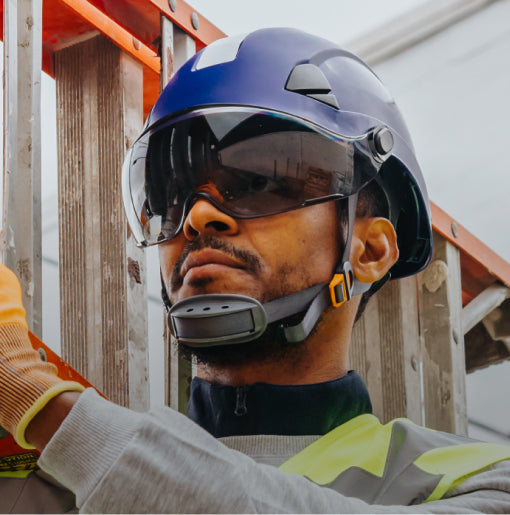
When it comes to jobsite safety, not all head protection is created equal. From full brim designs to modern safety helmets, each option is built for different risk levels and work environments but ...

Helmet Lifespan Explained: The Risks You’re Not Seeing
DO SAFETY HELMETS ACTUALLY HAVE AN EXPIRATION DATE? It’s a question every worker and safety manager eventually asks: “Does my safety helmet actually expire?” The short answer: no, there’s no univer...
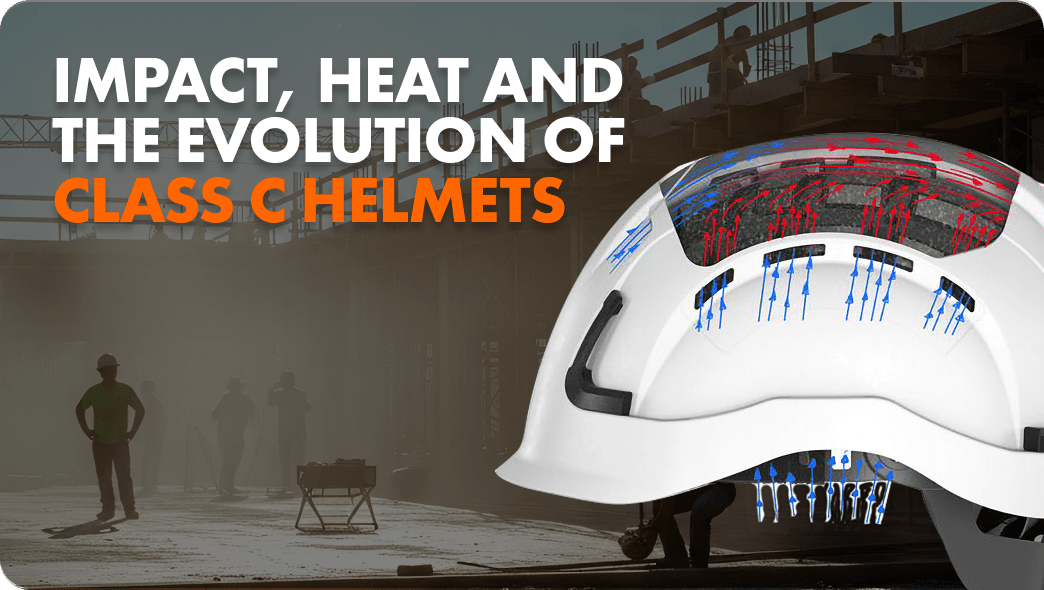
Impact, Heat and the Evolution of Class C Helmets
DO VENTS COMPROMISE HELMET PROTECTION? In 1969, this was a serious question. As construction activity increased across North America, safety managers and manufacturers were under pressure to redu...