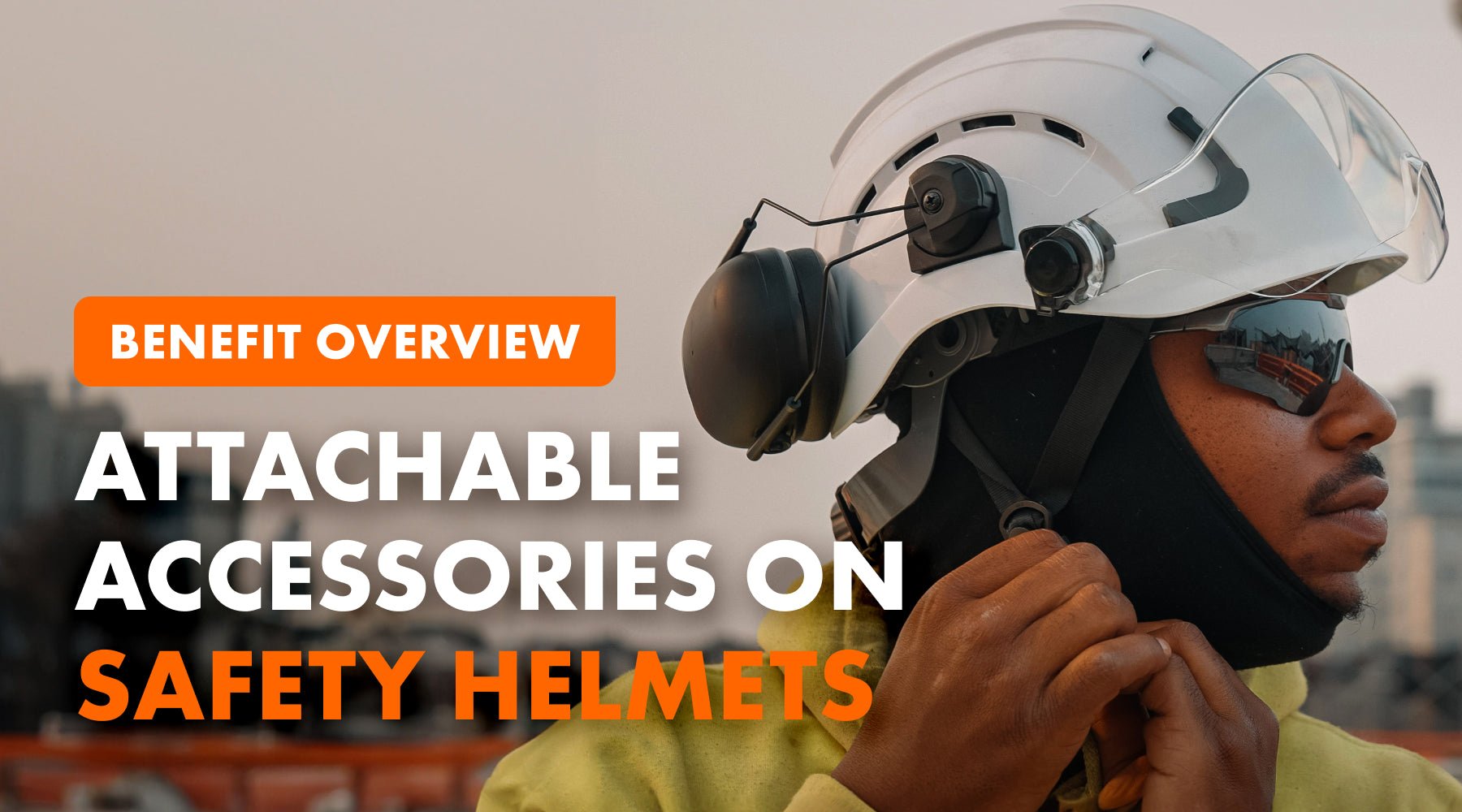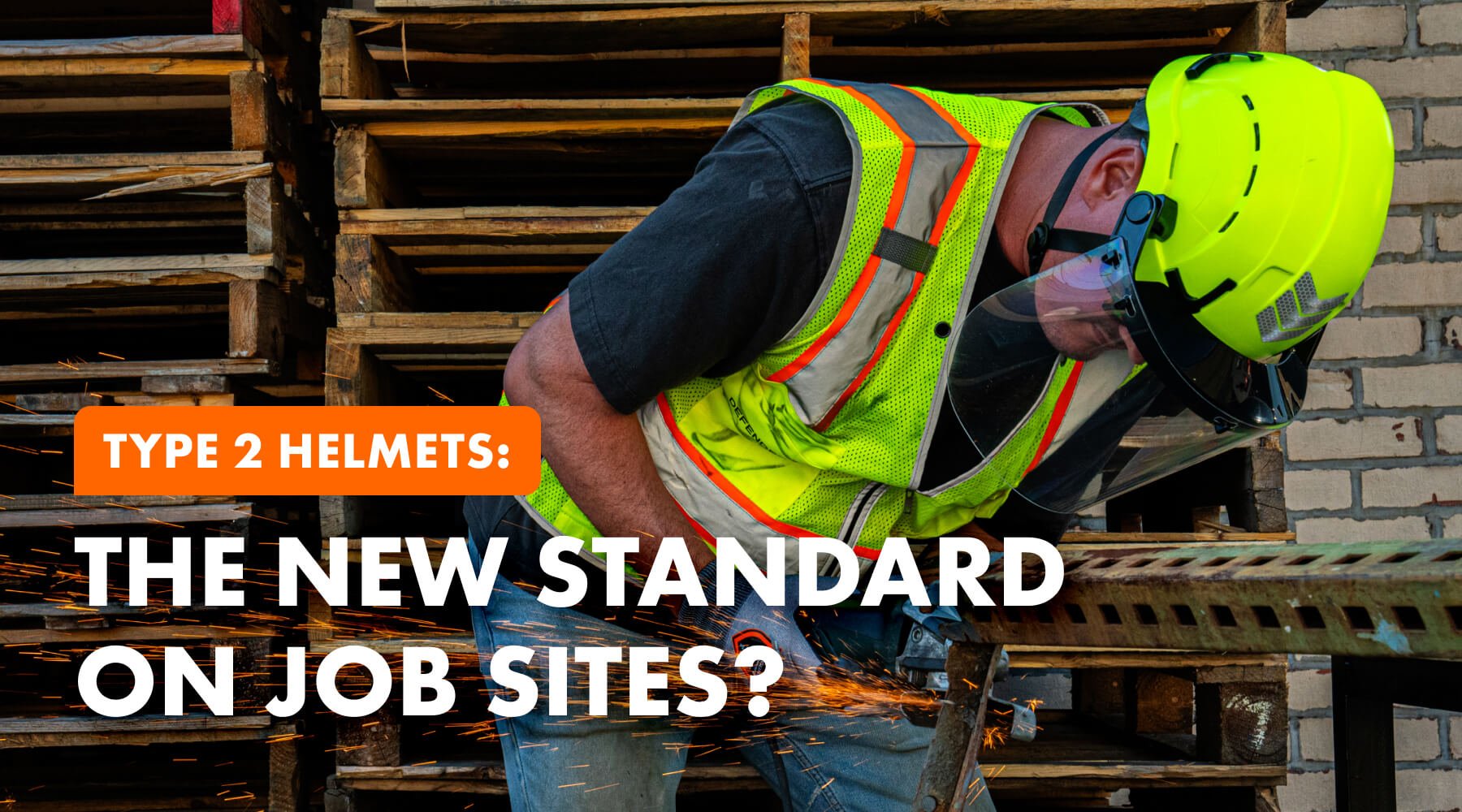
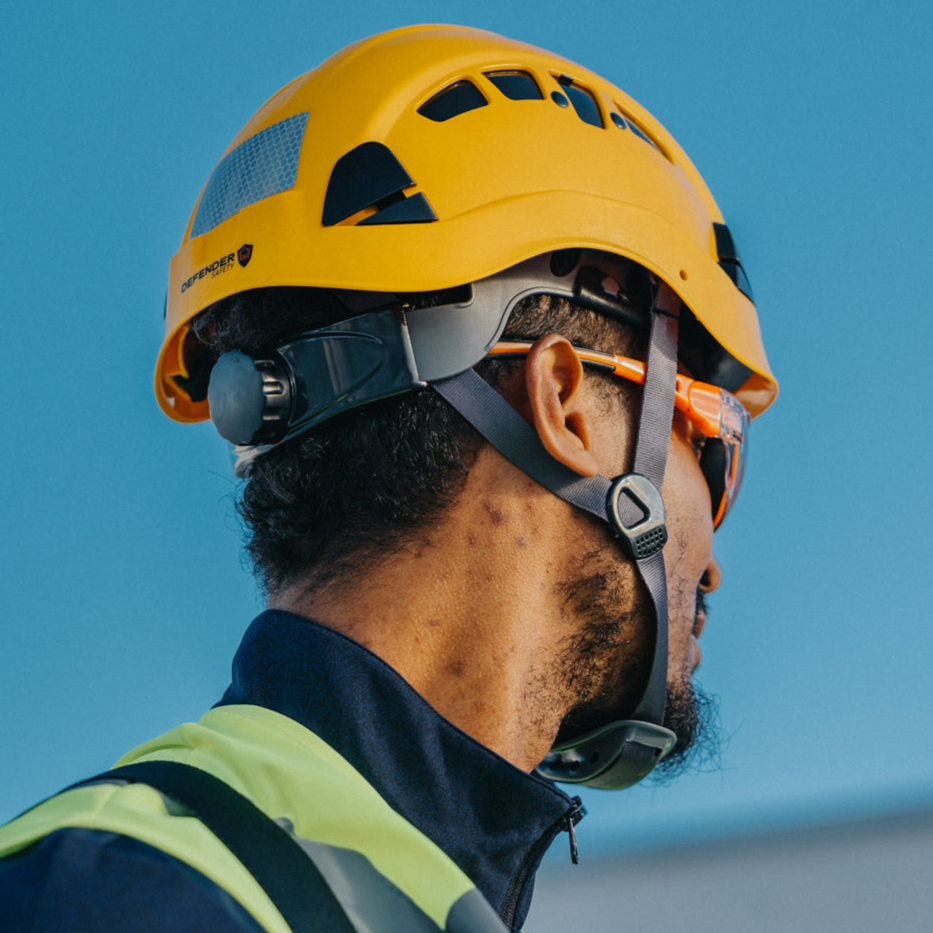
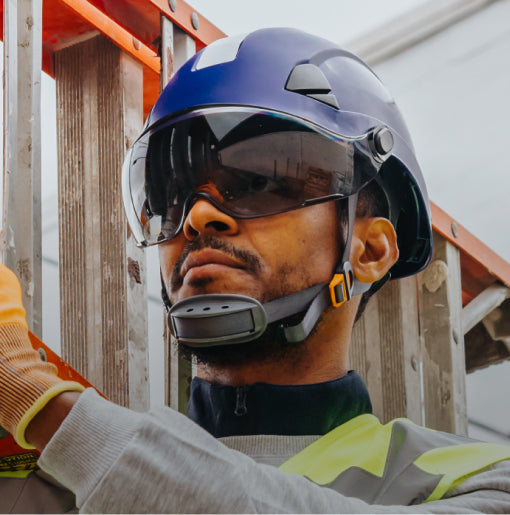
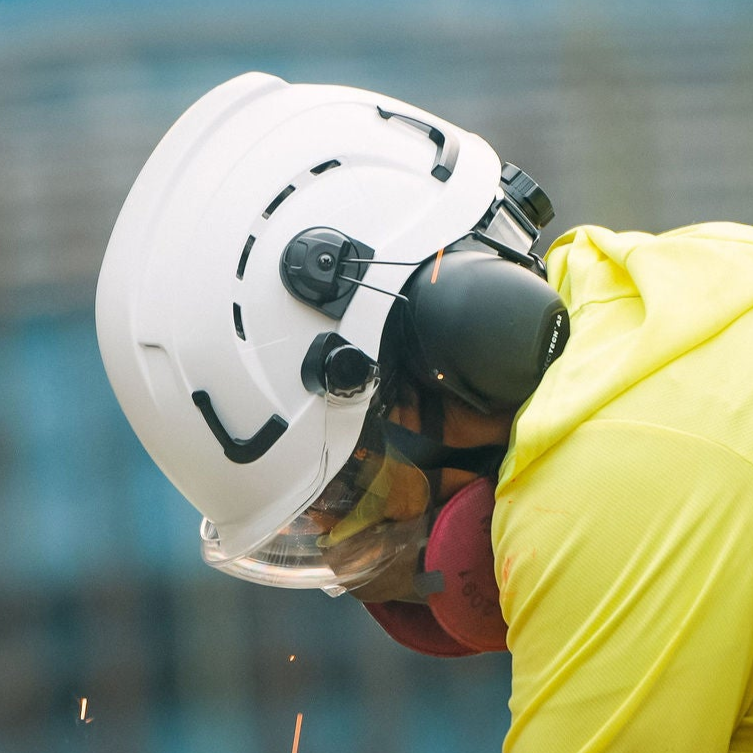

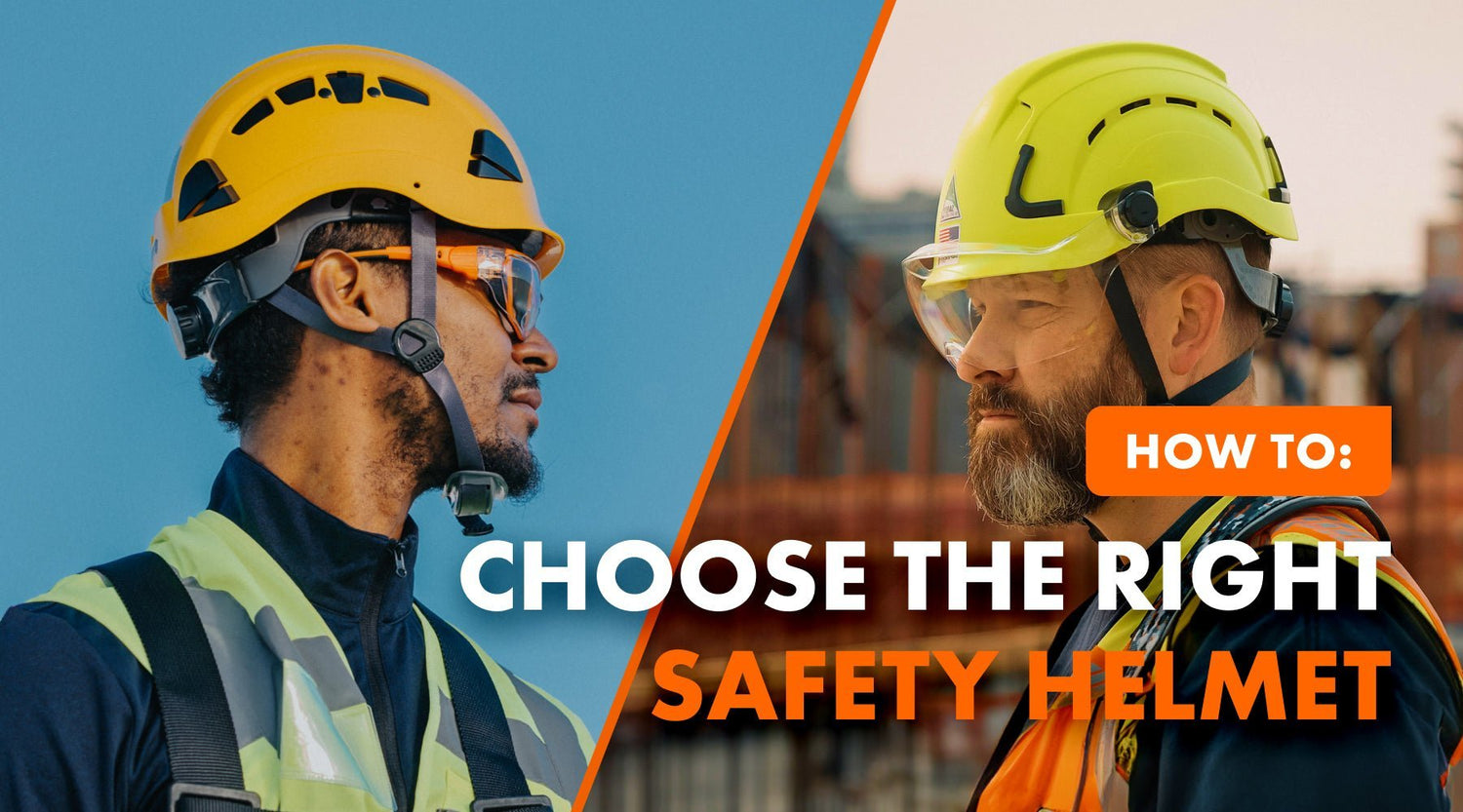
When it comes to protecting workers on construction sites, safety helmets are revolutionizing head protection. Traditional hard hats are being phased out in favor of modern safety helmets, which offer enhanced safety and comfort.
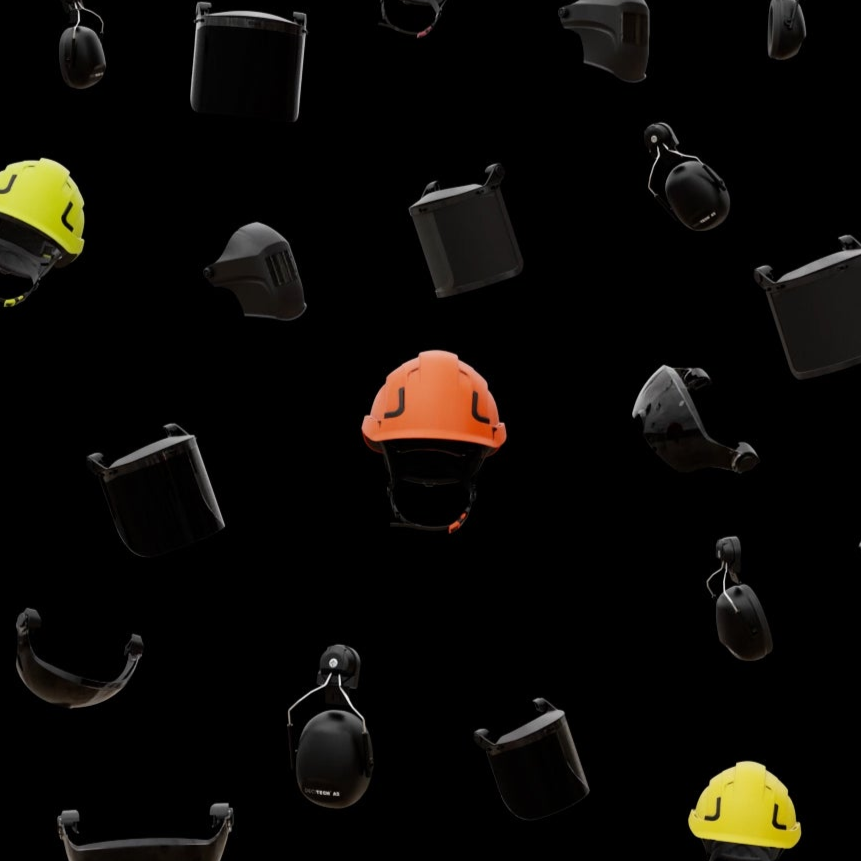
At Defender Safety, we're at the forefront of this transformation, with our H-Series helmets. Our team designed our helmets to meet the diverse needs of today's workforce. Here's how you can choose the right safety helmet for your needs.
What Is The Difference Between A Safety Helmet and A Hard Hat?
Safety helmets are becoming increasingly more popular on modern job sites for several reasons. Unlike hard hats, which are primarily designed to protect against falling objects, safety helmets provide all-around protection. They are engineered to safeguard against not just impacts but also electrical hazards, making them versatile for various industrial environments. Additionally, safety helmets offer improved fit, stability, and comfort, reducing the likelihood of them being removed during work.

Type 1 vs. Type 2 Hard Hat: What's the Difference?
When it comes to head protection, understanding the difference between Type I and Type II safety helmets is critical. While both are designed to protect workers from impact, they’re built for very different types of risks on the jobsite. Not all safety helmets protect the same way and choosing the wrong type could leave you exposed to serious injury. Understanding the difference between Type I and Type II safety helmets is essential for selecting the right protection for your job site.
Type I Explained
Type I safety helmets are engineered and designed specifically to protect against top impacts, making them the standard for environments where overhead hazards are the primary risk. This is the most traditional form of head protection and has been the standard on jobsites for decades. The design focuses on absorbing and dispersing force from falling objects such as tools or debris through a combination of a rigid outer shell and an internal suspension system that creates space between the helmet and the wearer's head. When an impact occurs, the shell helps deflect the object while the suspension reduces the amount of energy transferred to the skull.
However, the protection offered by Type I helmets was not designed to handle lateral, front, or rear impacts, which are increasingly common on modern job sites. While they remain compliant under ANSI Z89.1, employers must still assess whether only top impact protection is sufficient for their environment. In many cases, evolving safety expectations are pushing teams to evaluate whether broader protection offered by Type II helmets are more appropriate.

Type II Explained
Type II safety helmets are designed to provide top and side impact protection, addressing not only top-down hazards but also impacts from the sides. This makes them a more advanced solution in today’s dynamic work environments, where workers are frequently moving, climbing, or operating around equipment and structures.
In addition to a durable outer shell and suspension system, many Type II helmets incorporate energy-absorbing liners (such as EPS foam) and improved retention systems like chin straps. These features help manage both direct and off-center impacts, reducing the force transmitted to the head and improving overall stability during a fall or sudden movement.
Because they are tested for top and side impact protection, Type II helmets better reflect real-world accident scenarios such as striking a beam while climbing or being hit from the side by materials. This expanded protection has made them increasingly common in industries like construction, utilities, and working at heights, where risks are less predictable. Type II helmets offer a significant upgrade in protection coverage, making them a strong choice and the more advanced solution for today’s jobsites.

Class C vs. Class G vs. Class E Helmets: Key Differences
When it comes to head protection, not all hard hats are built for the same hazards. Beyond impact protection, safety helmets are also classified by their ability to protect against electrical risks. That’s where Class E, G and C helmets come in. Understanding these helmet classes is critical for staying compliant and more importantly, for making sure your crew is properly protected on the job.
Choosing the right class is critical because it ensures the helmet will perform as intended in the presence of electrical hazards, while also providing comfort, durability, and compliance with OSHA requirements. We'll break down what each class means, how they differ, and which one is right for your work environment.
Class C Helmets Explained
Class C safety helmets are designed for comfort and ventilation. They provide 360-degree ventilation, making them perfect for hot working conditions where heat stress is a concern. These safety helmets are designed primarily for comfort and airflow. They are not rated for electrical protection, meaning they provide zero insulation against electrical hazards.
The focus of Class C safety helmets is ventilation, reduced weight, and ease of wear, making them ideal for hot, outdoor environments where electrical exposure is minimal or nonexistent. Many feature vents and lightweight materials to keep workers cool during long shifts.
Key Features:
- Lightweight and highly ventilated
- No electrical insulation
- Designed for comfort in hot or physically demanding environments
Ideal For: General construction workers, arborists, architects, welders
Class G Helmets Explained
Class G safety helmets provide general electrical for lower-voltage exposures up to 2,200 volts. They are widely used in general construction, manufacturing, and industrial environments where workers might occasionally encounter electrical hazards but are not exposed to high-voltage systems and provide protection against top impacts only.
These helmets strike a balance between protection and comfort, offering some insulation without compromising ventilation or mobility. Class G safety helmets are often lighter than class E and C, making them more comfortable for extended wear.
Key Features:
- Non-conductive shell providing low-voltage insulation
- Lightweight design with moderate ventilation
- Compliant with ANSI Z89.1 standards for impact and low-electrical resistance
Ideal For: General construction sites with incidental electrical hazards, warehouse work or light industrial environments
Class E Helmets Explained
In contrast, Class E safety helmets are built to provide electrical protection, making them suitable for environments where there is a higher risk of electrical hazards. Class E safety helmets are engineered for workers exposed to high-voltage environments, offering protection up to 20,000 volts. They are constructed from non-conductive, high-density materials, often reinforced with insulating liners to prevent electrical currents from passing through the helmet.
These helmets are ideal for electricians, linemen, and utility workers who work near live electrical lines or equipment. The design prioritizes insulation over ventilation, which can make Class E hard hats heavier and warmer than other classes but the tradeoff is maximum protection against electrical hazards.
Key Features:
- Non-conductive shell and components
- Tested to withstand 20,000 volts
- Limited ventilation to maintain electrical protection
Ideal For: Electricians, utility workers, industrial technicians, oil and gas industries

What Is ANSI Z89.1 and EN 12492 Standards?
When choosing a hard hat, it's important to understand the compliance standards it meets, and how they relate to the job sites you're working on. The ANSI Z89.1 standard, established by the American National Standards Institute, outlines requirements for industrial head protection in the United States, including impact resistance, electrical insulation, and penetration resistance.
For a detailed comparison of these standards, check out our in-depth blog post here.
Our Commitment to Quality
At Defender Safety, we are committed to engineering top-quality safety equipment that is both reliable and affordable. Our H-Series helmets are designed to offer the best protection while maintaining a sleek and professional appearance. We understand that safety and aesthetics go hand in hand, and our helmets are crafted to look as good as they protect.
Customization with Our Pad Printing Department
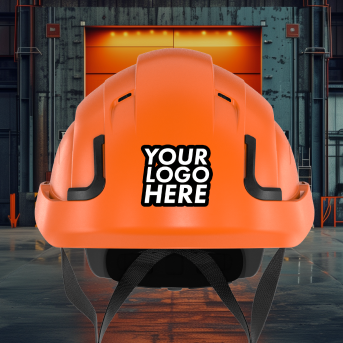
To add a personal touch to your safety gear, check out our custom pad printing department. We offer a range of customization options to brand your helmets with your company's logo or any other design you prefer. Watch this video for a quick tour of our customization department and see how easy it is to get started with personalized safety helmets.
Click here to customize your own helmets now
Choosing the right safety helmet is crucial for ensuring workplace safety and compliance. With Defender Safety's H-Series helmets, you can rest assured that you're getting top-notch protection, comfort, and style—all at an affordable price.
Stay safe and look great on the job with Defender Safety!