THE STANDARD JUST CHANGED
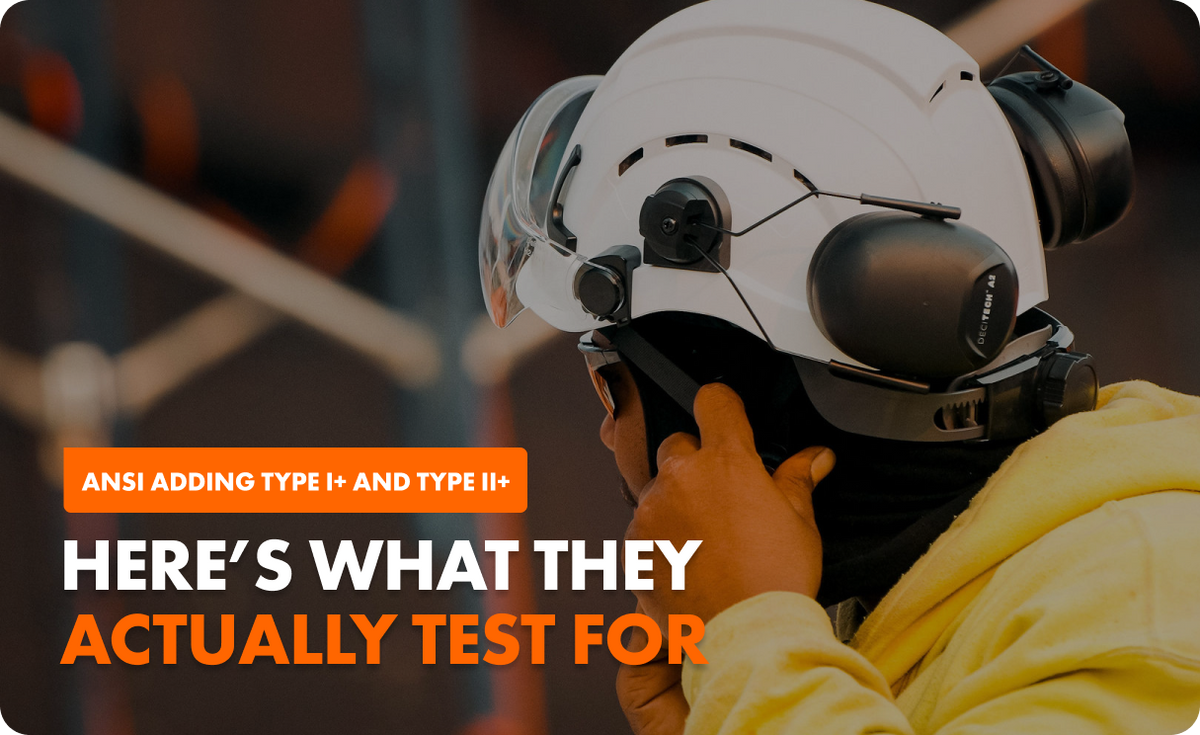
In September 2026, ISEA (the International Safety Equipment Association) released an updated edition of ANSI/ISEA Z89.1. The headline change: two new, voluntary classifications, Type I+ and Type II+. These are layered on top of the existing Type I and Type II designations ISEA.
If you're not deep in PPE standards, here's why this one is worth paying attention to. ANSI Z89.1 has defined "Type I" (top-impact only) and "Type II" (top and lateral impact) helmets for years. The new "+" designations don't replace if the helmet actually stays on your head during an impact.
WHAT'S ACTUALLY NEW IN TYPE I+ AND TYPE II+
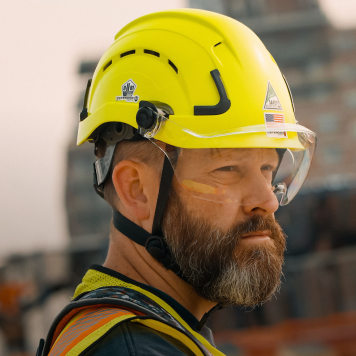
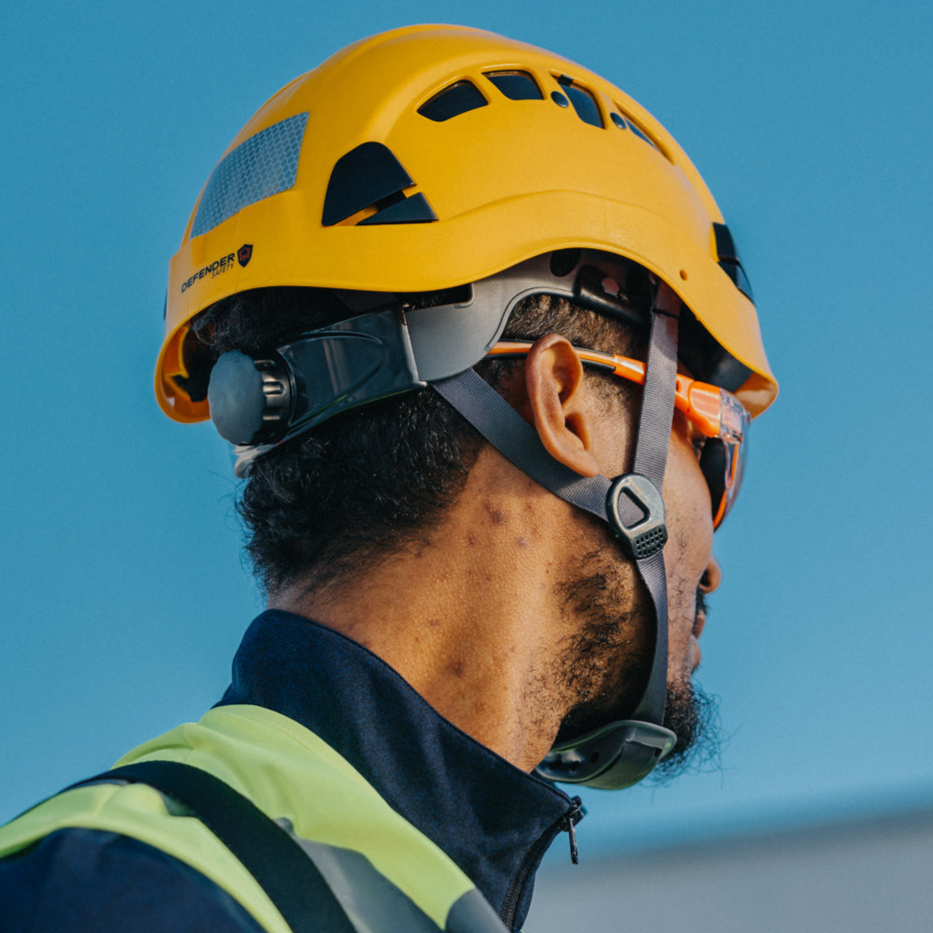
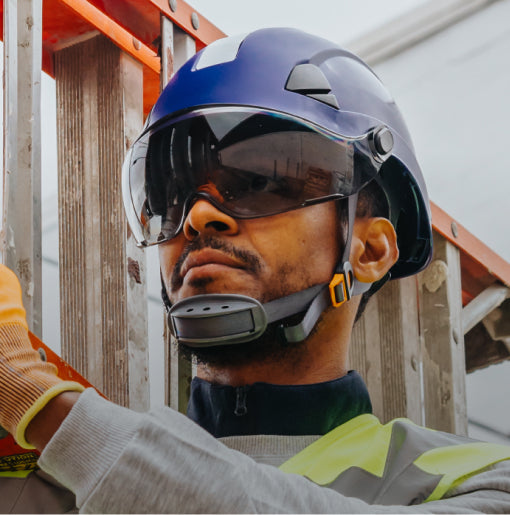
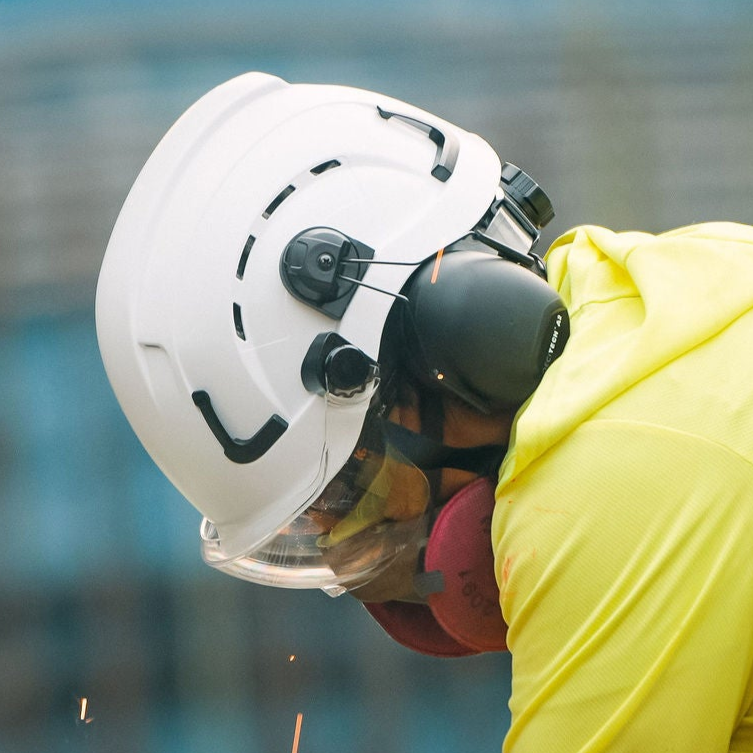
Both Type 1+ and Type 2+ add chin strap performance and helmet retention testing on top of their base requirements. Type I+ also expands impact testing to the front, back, and sides of the shell, not just the crown. The reasoning, as laid out in coverage of the revision, is straightforward: a hat that leaves the head in the first tenth of a second of a fall or a strike isn't protecting anything for the rest of the event Tricore Safety. A helmet rated for an impact it never actually absorbs, because it came off first, was always a gap in the original standard. These additions are ISEA's attempt to close it.

WHY THIS ISN'T MANDATORY — YET

Worth being direct about this: Type I+ and Type II+ are optional classifications. OSHA's construction head protection rule, 29 CFR 1926.100, still references older editions of Z89.1 and hasn't been updated to require the new classes. Helmets that meet the previous edition remain fully compliant. In practice, that means Type I+/II+ will likely show up in first project specifications written by general contractors and owners who want to get ahead of it, rather than through a regulatory mandate, similar to how Type II adoption spread in practice before it became common spec language rather than law.
WHAT THIS MEANS IF YOU'RE EVALUATING HELMETS
A few practical takeaways if your crew's head protection program is due for a review:
- A helmet marketed with "MIPS" or a rotational-impact claim is addressing a real, problem, but confirm it's also still certified to the base ANSI Z89.1 Type and Class your job requires. A rotational-impact feature doesn't substitute for electrical-hazard (Class E) or impact-type certification.
- Type I+/II+ labeling is new enough that it won't appear on most helmets yet. Don't assume a helmet is non-compliant just because it isn't labeled "+" — the base Type I/II standard hasn't gone anywhere.
- If a project spec starts requiring Type I+/II+, ask the manufacturer what retention and chin-strap testing documentation they can actually provide — our guide on verifying helmet certification claims
- It's also worth remembering that a compliant helmet's retention hardware can wear out well before the shell does — see Helmet Lifespan Explained for what to check
The standard and the market are both pointing the same direction. Whether any individual crew needs to act on it yet depends on what a given job, GC, or insurer is actually asking for, but it's worth knowing the question is coming.