BEYOND THE TEMPERATURE: WHAT THE DATA REALLY SHOWS
On most jobsites, heat is just part of the job and is shrugged off and worked through but that "part of the job" is quietly becoming one of construction's costliest and deadliest hazards.
In 2026, a Perry Weather survey of 250 construction leaders put into numbers how routine and costly heat stress has become on the jobsite.

The takeaway: Most crews understand the dangers of heat exposure. What's often missing is a heat safety plan that's consistently enforced where the work gets done.
WHAT'S NEW IN OSHA'S 2026 HEAT NEP
OSHA refreshed its 2022 National Emphasis Program (NEP) for outdoor and indoor heat hazards. The core theme hasn’t changed, but the update clarifies a few things employers should pay attention to. The biggest change is the industries are now being encouraged to comply. Using fresh injury and fatality data from 2021–2025, there are now a total of 55 targeted industries.

If your operation lands in one of these newly added categories, OSHA is required to run a 90-day outreach effort before it begins programmed inspections in your industry, so there’s a window to get preparation ready.
The update also gives inspectors clearer enforcement tools, and two new appendices stand out.

While a federal heat standard has yet to be finalized, OSHA continues enforcing heat hazards through the General Duty Clause. However, there are 7 states with their own heat regulations, requiring employers to meet both state and federal requirements.

BUILDING A HEAT MANAGEMENT PLAN: WHAT YOU ACTUALLY NEED
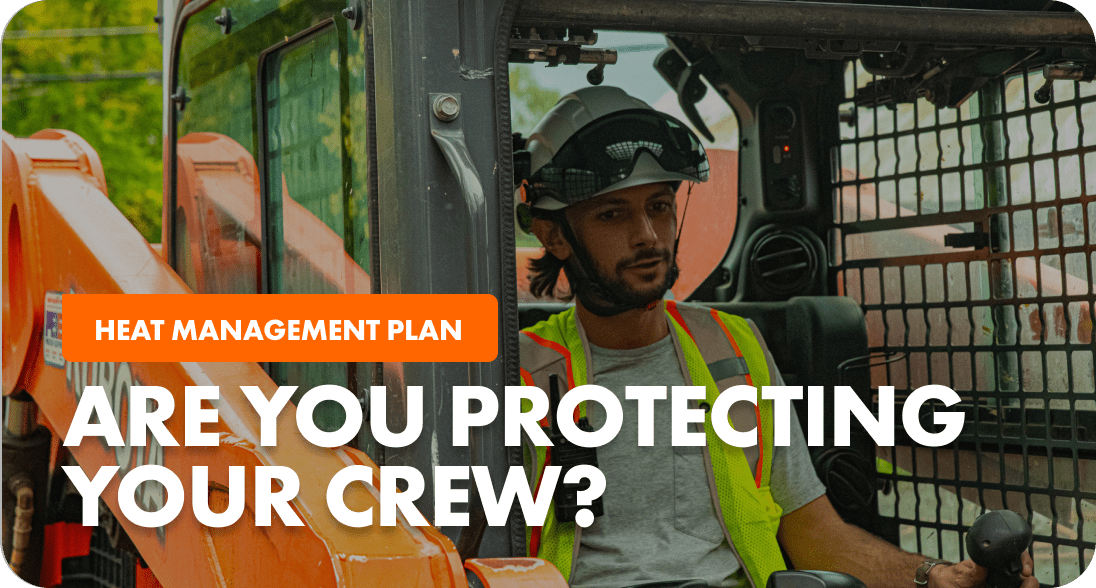
The plan does not need to be complex or long. It just needs to be written down, understood by everyone, and actually followed when the temperature climbs. If an OSHA inspector shows up on a hot day, they’re essentially checking whether the basics below are real and working. Since every job site is different, here’s the foundation every heat plan should cover.

To learn more about OSHA Heat rules click here!
GET THE GEAR THT WORKS AS HARD AS YOU DO: TYPE II VENTED HELMETS
Your heat plan controls the schedule. But one variable a work/rest chart can't fix is the helmet on your crew's heads all day. On a hot site, the wrong one quietly undoes everything else you're doing right.

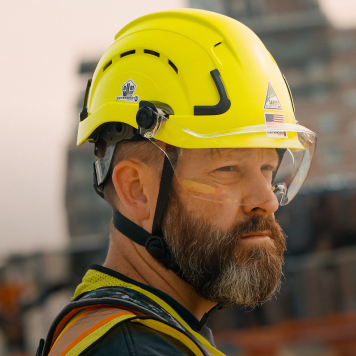
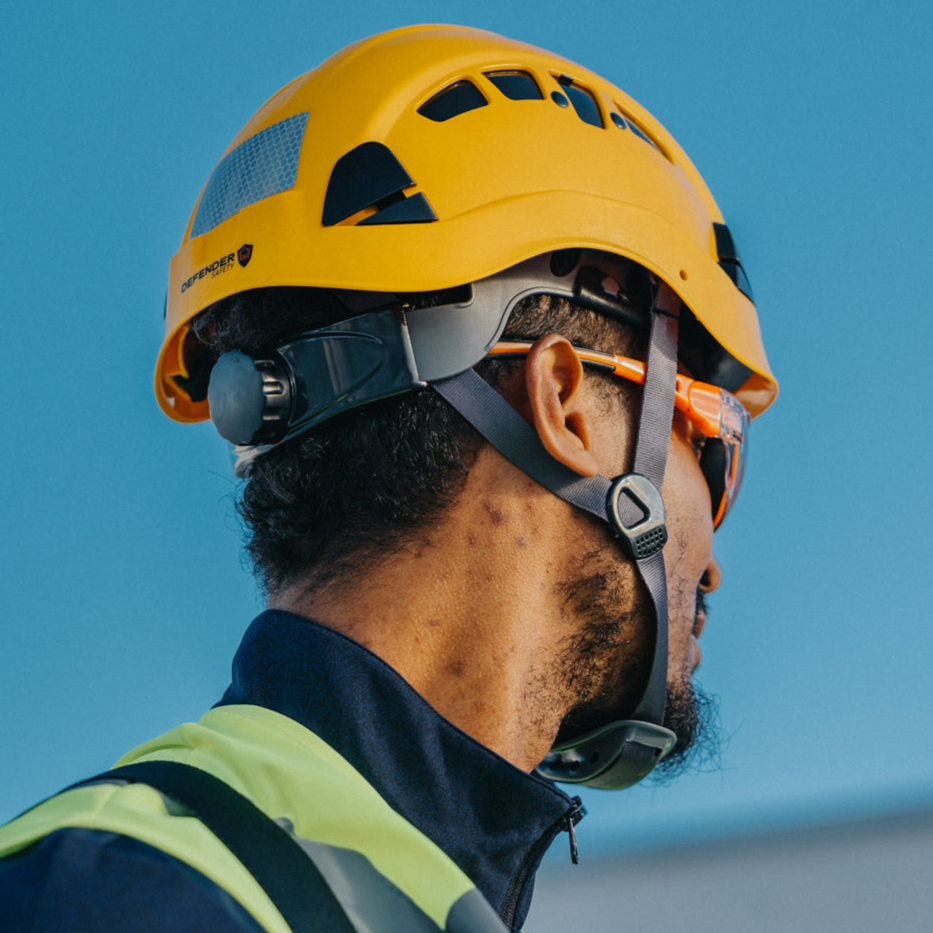
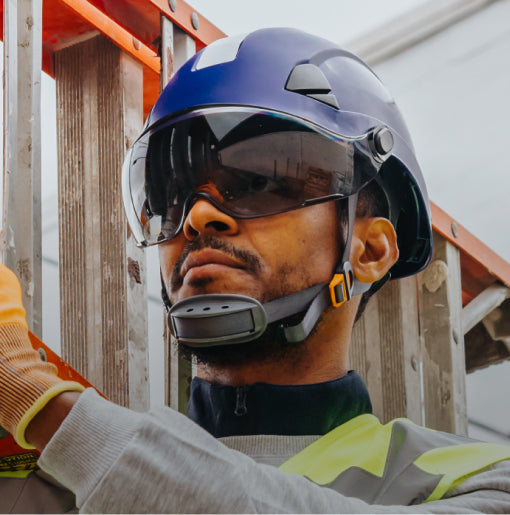
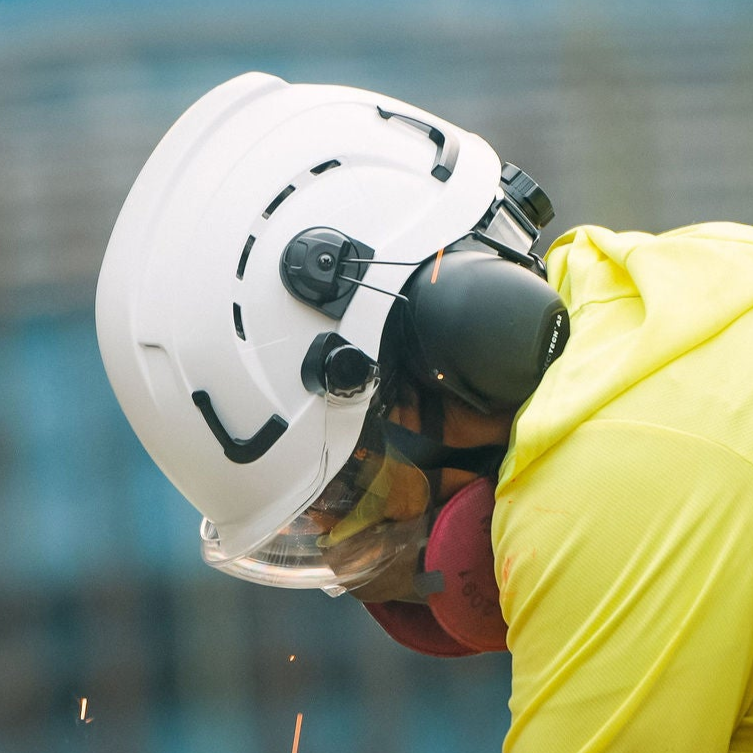
Defender Safety’s H2 features true 360° ventilation: front, side and rear vents working together. While on the inside, we integrated EPS air channels that guide and accelerate airflow across the crown.
Ventilation was never an added bonus to our Class C helmets but a feature built in from the start.

IMPORTANT TO NOTE: Vented helmets can improve comfort and airflow on the jobsite, but they are not suitable for every environment. Due to the ventilation openings, they DO NOT provide protection against electrical hazards. If your worksite involves any risk of electrical exposure, a non-vented, Class E helmet is the appropriate choice.
Always identify the hazard first, then select the helmet designed for that environment.
WHY DEFENDER SAFETY IS THE LEADING CHOICE IN SAFETY IN 2026
When was the last time your team’s helmets were evaluated as a whole? Now is the time to assess, replace, and upgrade to Defender Safety helmets built for today’s safety standards.

CUSTOMIZING YOUR DEFENDER SAFETY HELMET
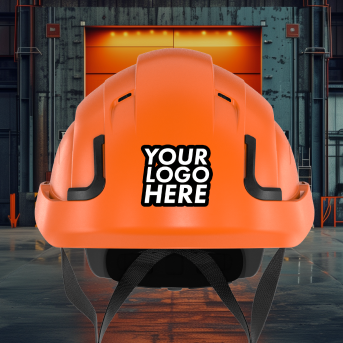
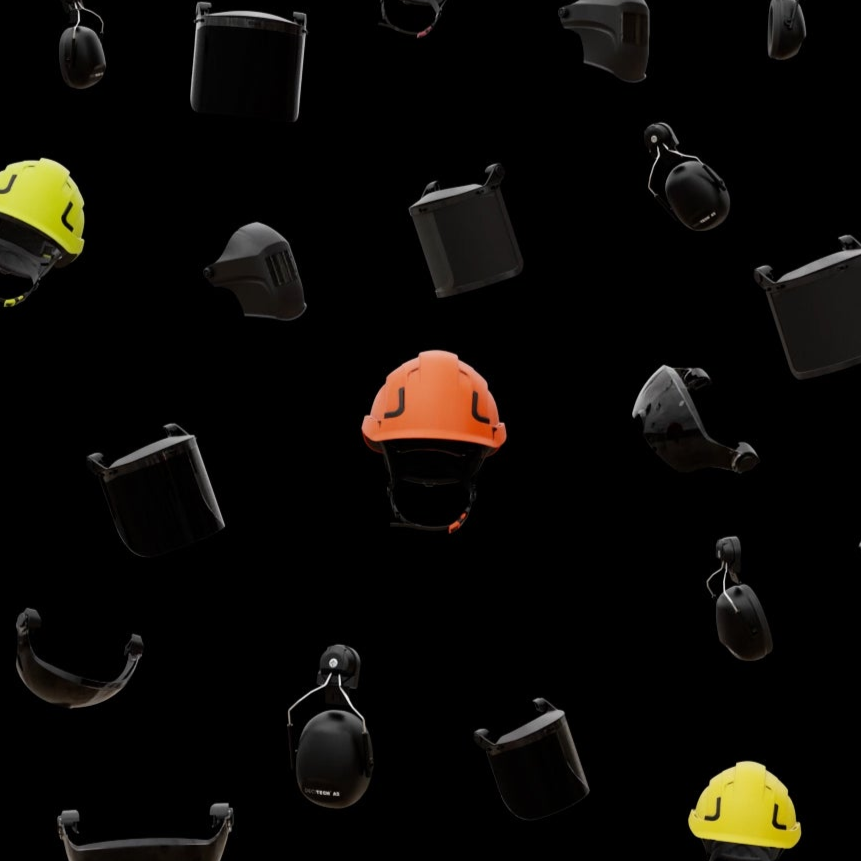
And because every job site — and every team — is different, Defender Safety helmets can be fully customized to meet
your needs.
Ready to protect your team with helmets backed by real testing?