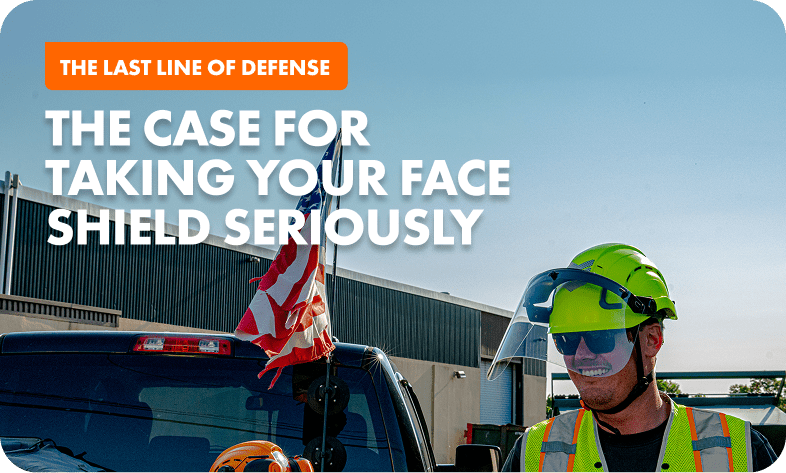
THE PROBLEM: WHY FACE PROTECTION CAN'T BE OPTIONAL
Every day on job sites across America, workers are exposed to hazards that can permanently change their lives in seconds. Flying debris, chemical splashes, molten metal, and high-velocity particles. Despite the risks, eye and face protection remains one of the most frequently overlooked categories of personal protective equipment (PPE).

Bureau of Labor Statistics survey found that nearly 3 out of 5 workers injured were not wearing any eye or face protection at the time of the accident. The most common reason is that they believed protection wasn't required for that particular jobsite.
Face shields are a necessity across a wide range of industries. If your team works in any of the following environments, OSHA-compliant face protection is not optional:

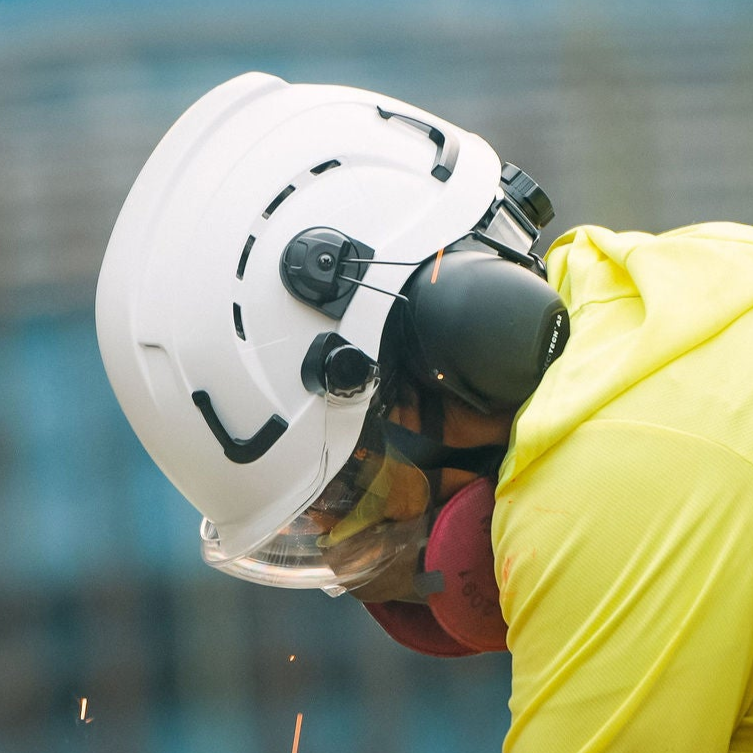
From grinding and cutting to chemical splash environments and arc flash zones, the common thread is this: a face shield is your last line of defense.
OSHA COMPLIANCE: WHAT YOUR CREW NEEDS TO KNOW IN 2026
As business leaders, OSHA policies tend to have the misconception of adding bureaucracy to the job site. However, in reality these policies are made to help workers develop a culture of safety that protects your team (and your wallet) in the long run.
Eye and face protection consistently ranks among OSHA's most frequently cited violations, logging 1,814 violations in fiscal year 2024 alone. That is why understanding the following standards is critical to any compliant safety program and making sure your team is equipped for the job.

Meeting OSHA standards requires more than just purchasing approved equipment. A compliant program includes a:
- Documented hazard assessment at each job site
- Proper selection of face protection matched to specific hazards
- Training on correct use and maintenance
- Regular inspection/replacement cycles
As of January 2025, there has been a new OSHA PPE update.

FACE SHIELD VS. VISORS VS. SAFETY GLASSES: KNOWING WHICH ONE TO REACH FOR
Not all eye and face protection is created equal and choosing the wrong type for a given hazard is one of OSHA's top cited reasons for workplace eye injuries. Here's a breakdown of each type, what it protects against, and when it should be used.


PRODUCT SPOTLIGHT: THE DEFENDER SAFETY FACE SHIELD
For safety managers, the standard is clear: safety glasses when there tends to be flying debris and dust. Upgrade to visors when splashing or fine dust exposure occurs. And for any jobsite involving high-impact debris, intense heat, chemical exposure, or full-face hazard risk, a face shield is the standard. This is the protection standard that OSHA, NIOSH, and ANSI have built their guidelines around.
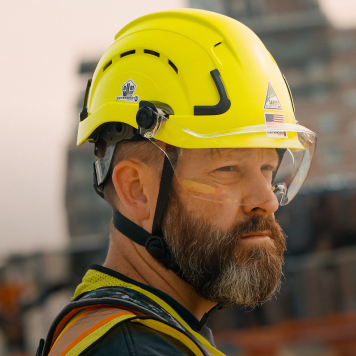
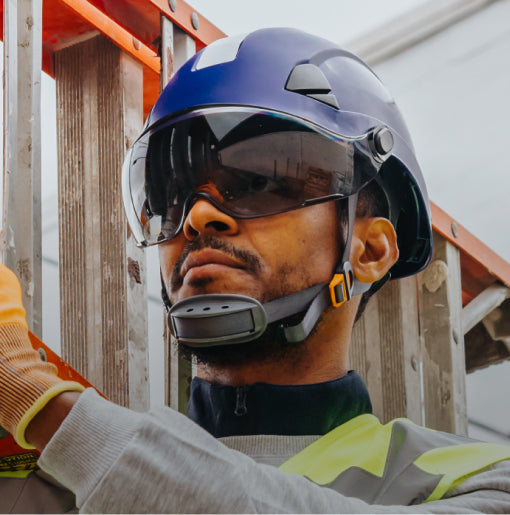
At Defender Safety, our face shield is the standard: durable and reliable for any jobsite. Some key features are:

The right face shield doesn't just protect your workers, it demonstrates a commitment to safety culture that resonates at every level of your organization. When your PPE is purpose-built, properly fitted, and OSHA-compliant, you reduce injury risk, lower workers' compensation exposure, and build the kind of trust that keeps experienced workers coming back to your job sites.
Protecting your people is the most important investment you make. Make sure the gear is up to the standard they deserve.

WHY DEFENDER SAFETY IS THE LEADING CHOICE IN SAFETY IN 2026
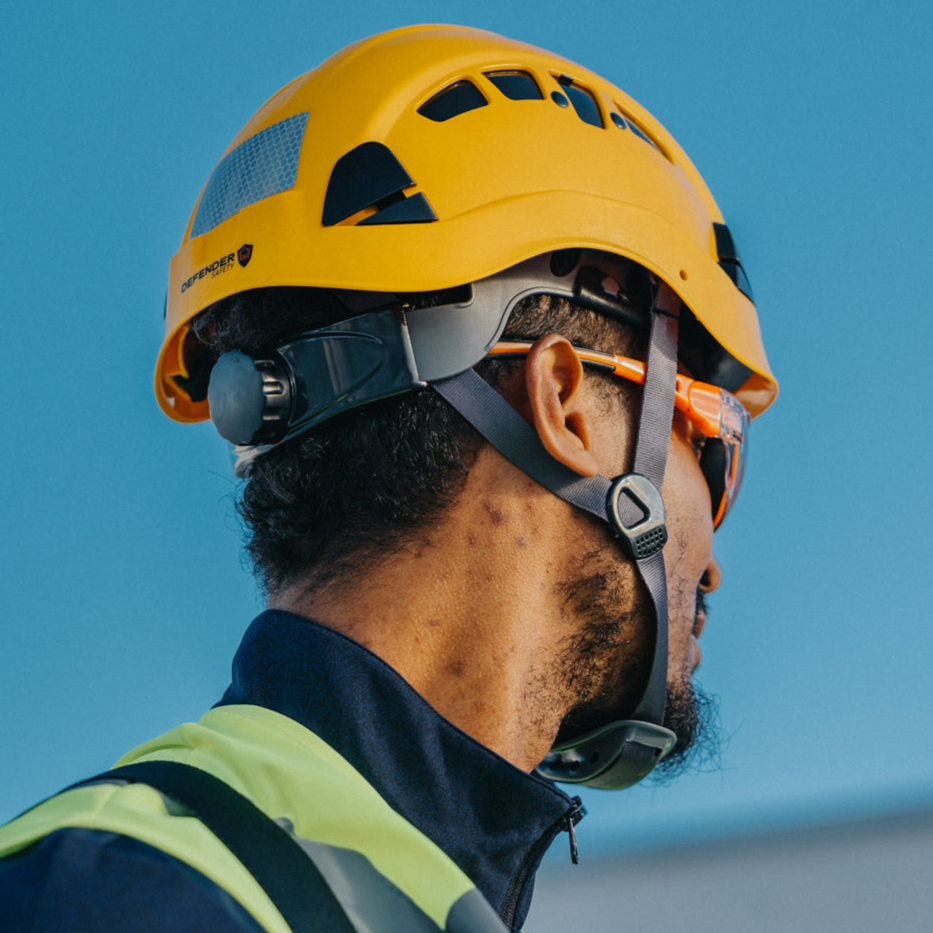
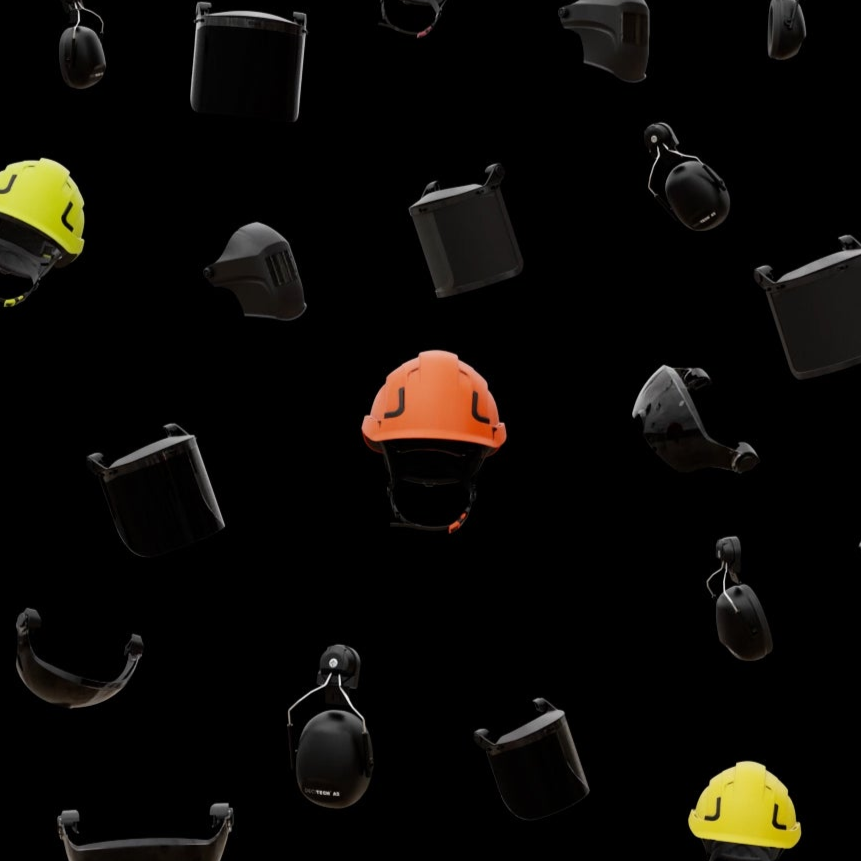
When was the last time your team’s helmets were evaluated as a whole? Now is the time to assess, replace, and upgrade to Defender Safety helmets built for today’s safety standards.

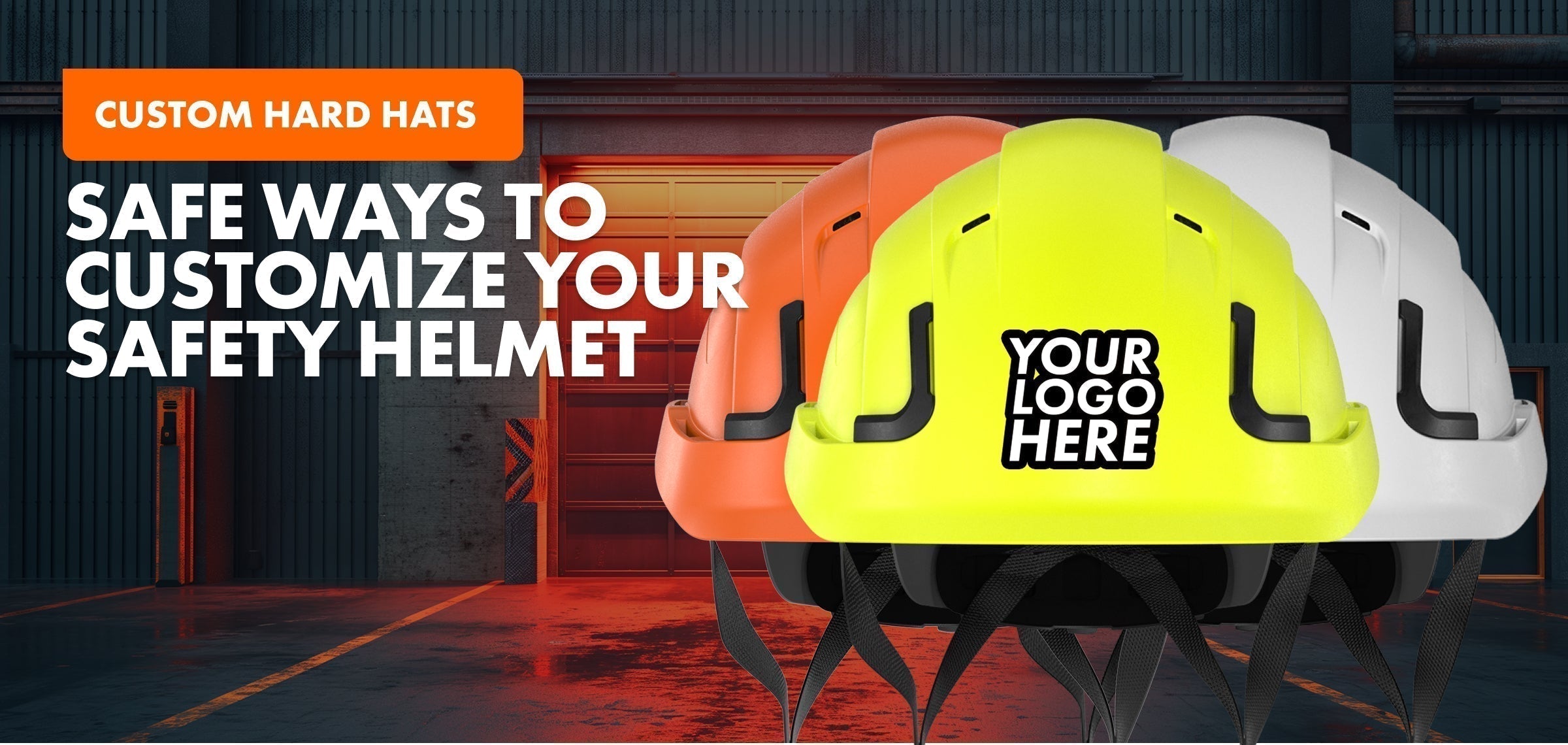
CUSTOMIZING YOUR DEFENDER SAFETY HELMET
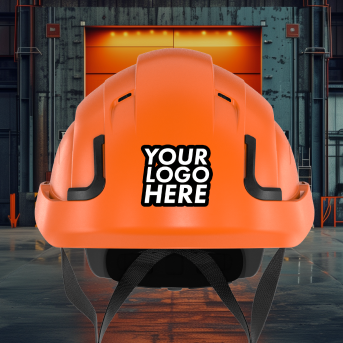
And because every job site — and every team — is different, Defender Safety helmets can be fully customized to meet
your needs.
Ready to protect your team with helmets backed by real testing?