
THE GROWING PROBLEM OF HEARING LOSS ON THE JOBSITE
Construction workers face some of the highest occupational noise exposure levels across any industry. Repeated exposure to grinders, saws, heavy equipment, compressors, and impact tools can permanently damage hearing over time often without workers noticing until it’s too late.
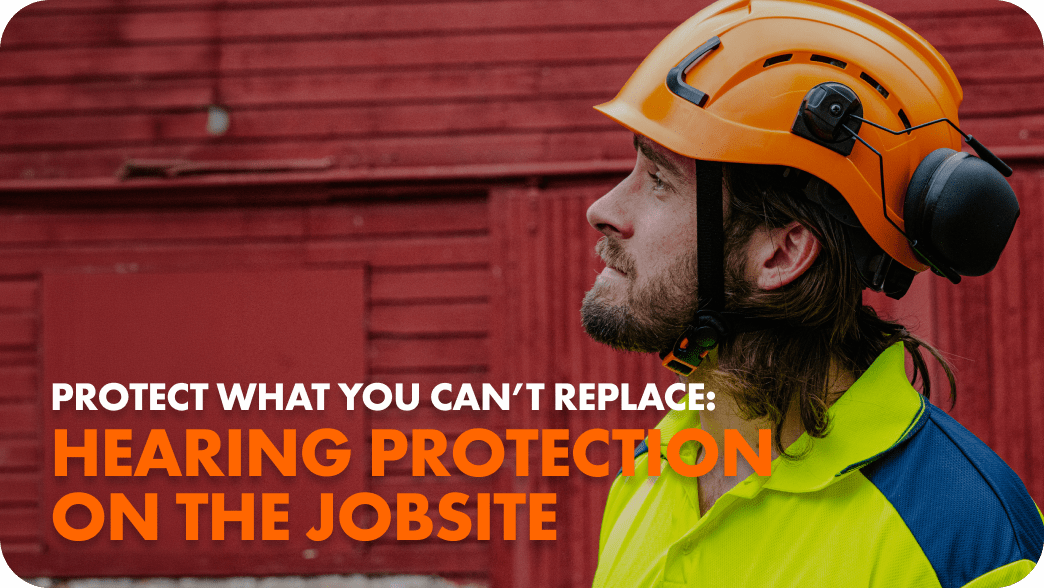
Noise-induced hearing loss remains one of the most common workplace illnesses in the U.S., which is why hearing protection PPE is a critical part of every jobsite safety program. The challenge for crews is finding protection workers will actually wear consistently that are lightweight, durable, comfortable, and protective enough for daily use.
According to 2025 NIOSH Studies,

UNDERSTANDING OSHA HEARING PROTECTION REQUIREMENTS
Hearing damage is one of the few jobsite injuries that happens gradually and once it occurs, it can’t be reversed. That’s why OSHA requires hearing protection when workers are exposed to noise levels at or above 85 dB over an 8-hour workday. For comparison, common jobsite tools can regularly exceed safe exposure limits. Some examples are:
- Concrete Saws
- Impact Tools
- Grinders
- Compressors
- Heavy Equipment
That’s where Noise Reduction Rating (NRR) becomes important. NRR measures how much sound a hearing protection device can reduce when properly worn. Higher protection matters but so does comfort and fit. If hearing PPE is bulky or uncomfortable, workers are less likely to keep it on throughout the day.
FINDING THE RIGHT FIT FOR THE JOBSITE
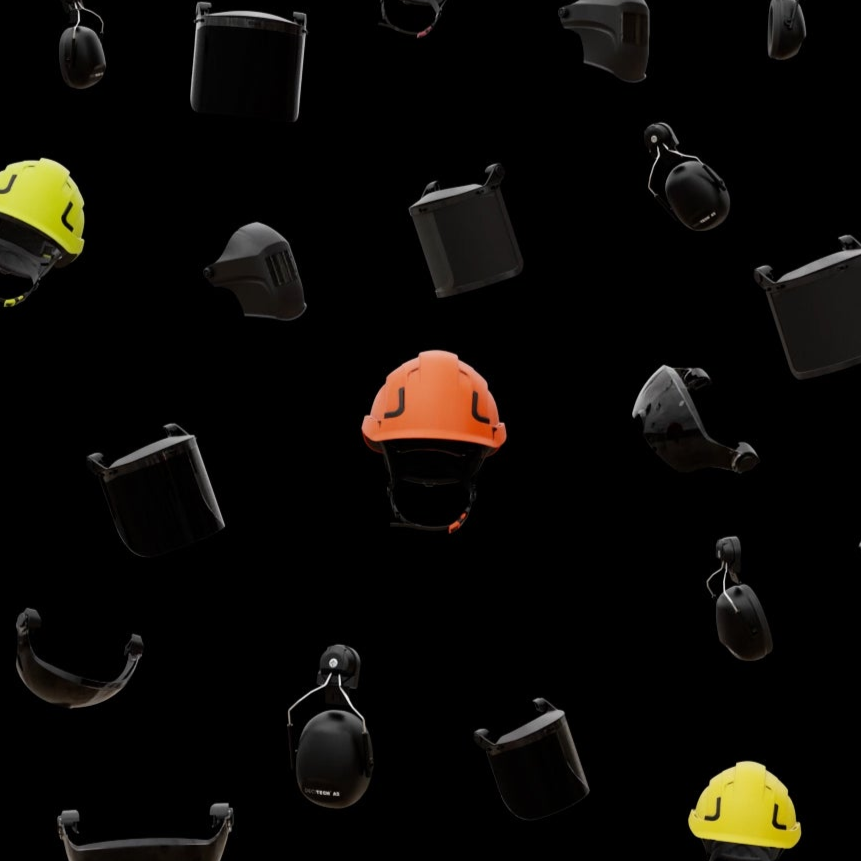
Not all hearing protection works the same and not every jobsite requires the same level of awareness, communication, or comfort. Choosing the right hearing protection PPE starts with understanding the difference between active and passive hearing protection, along with which style best fits the work environment.

Once you understand the protection type, the next step is finding the right fit and form factor for daily wear.

The besting hearing protection for construction workers ultimately comes down to the environment, noise exposure levels, communication needs, and long-term comfort. Protection only works when workers keep it on which is why lightweight, durable, and comfortable hearing protection continues to become a major focus across modern jobsites.
BUILT FOR THE JOBSITE: MEET THE DECITECH™ A2

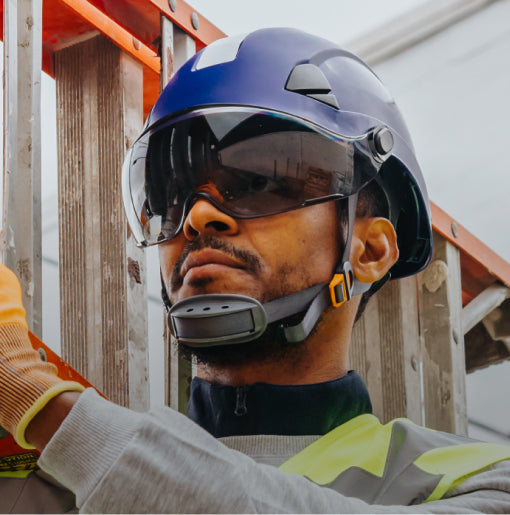
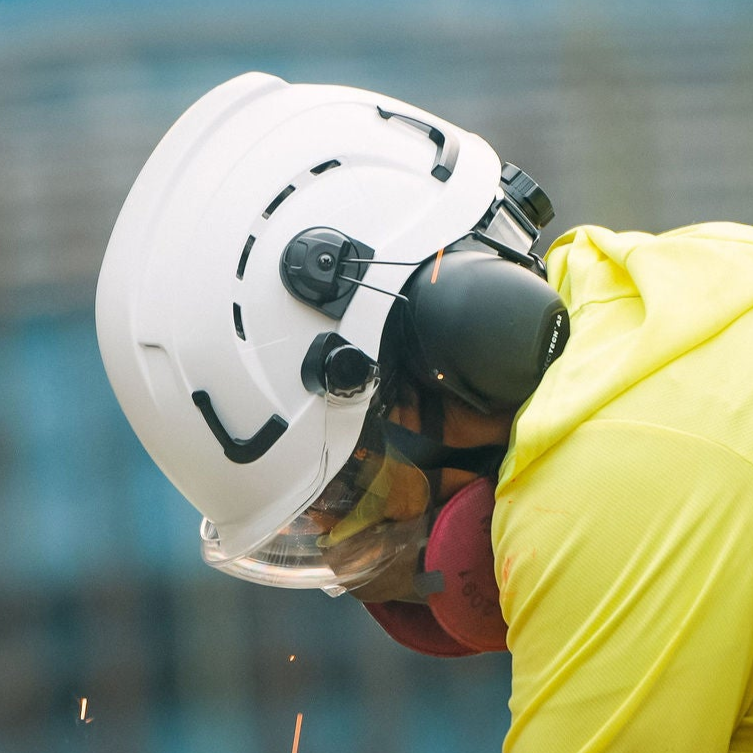
Third-party tested for trusted protection, the A2 combines a slim profile with durable material to reduce bulkiness without compromising performance. The slim-profile design helps to improve mobility and feels weightless on jobsites, so you can wear with comfort for all-day wear
In simple terms, the A2 is built for the job. It can take daily impact and can turn the most dangerous (and common) jobsite noises down to a safe level.
For safety managers and crews alike, it delivers the balance workers look for most: protection, comfort, and durability.
WHY DEFENDER SAFETY IS THE LEADING CHOICE IN SAFETY IN 2026
When was the last time your team’s helmets were evaluated as a whole? Now is the time to assess, replace, and upgrade to Defender Safety helmets built for today’s safety standards.

CUSTOMIZING YOUR DEFENDER SAFETY HELMET
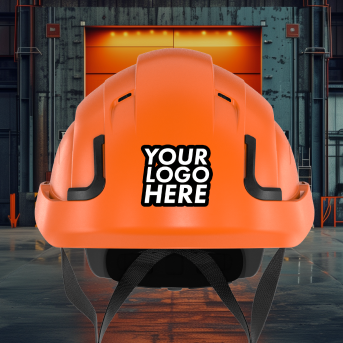
And because every job site — and every team — is different, Defender Safety helmets can be fully customized to meet
your needs.
Ready to protect your team with helmets backed by real testing?